National Eucalypt Day
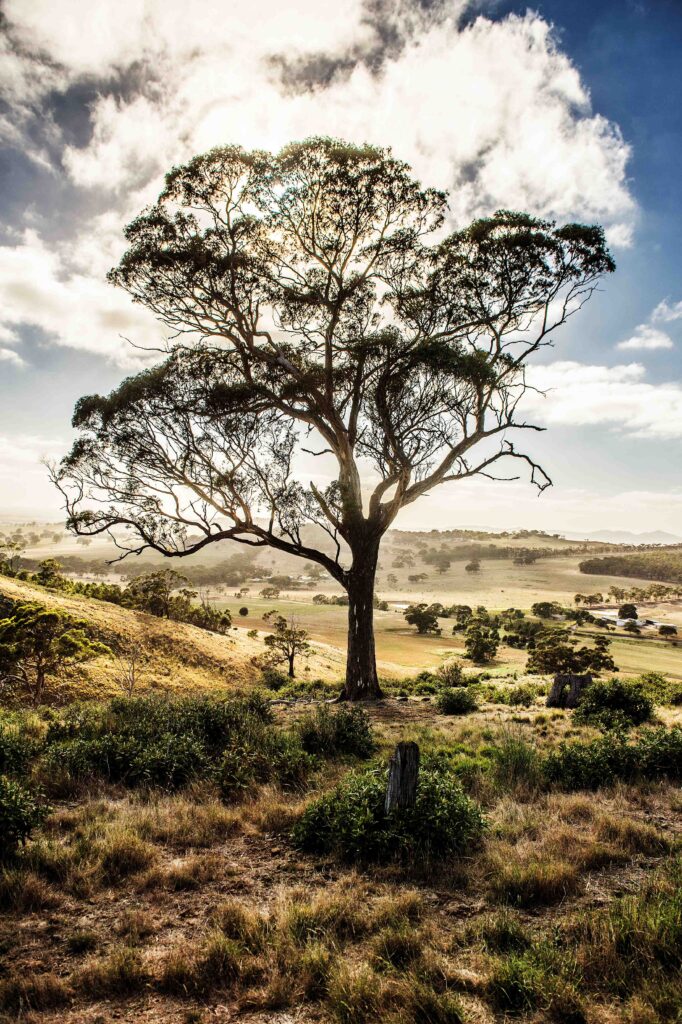
The Staughton Vale Campus sits within the unique landscape of the Brisbane Ranges National Park, an area renowned for its rich diversity of native eucalypts and on Monday 23 March, we celebrated National Eucalypt Day. These iconic Australian trees form the backbone of the local ecosystem and provide vital habitat for wildlife.
This year’s Eucalypt Australia – Eucalypt of the Year theme, “Our Eucalypt Home”, highlights the important role gum trees play in supporting biodiversity. The Brisbane Ranges contain a range of eucalypt species well adapted to the dry, rocky soils of the region. Common species include Eucalyptus leucoxylon (Yellow Gum), Eucalyptus polyanthemos (Red Box), Eucalyptus obliqua (Messmate Stringybark) and Eucalyptus macrorhyncha (Red Stringybark).
These trees provide nectar, shelter and nesting hollows for many birds, mammals and insects. For students learning at Staughton Vale, the surrounding woodland is more than just beautiful scenery—it is a living classroom where they can explore biodiversity, ecology and the importance of protecting Australia’s remarkable eucalypt forests.
The next time you are on campus, take the opportunity to explore the Eucalypts that call Staughton Vale home.
Wildlife Cameras Capture Life Around Staughton Vale
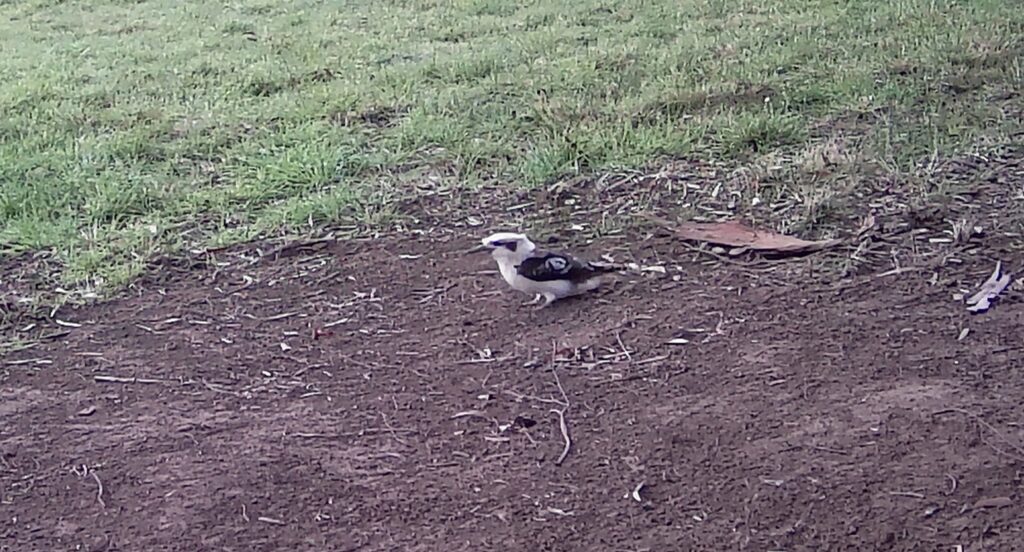
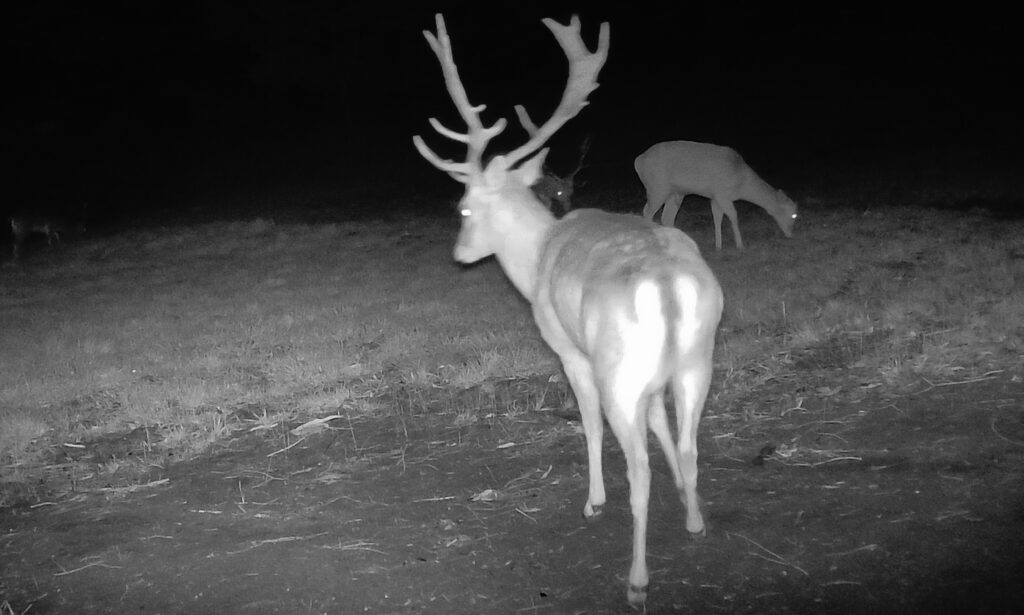
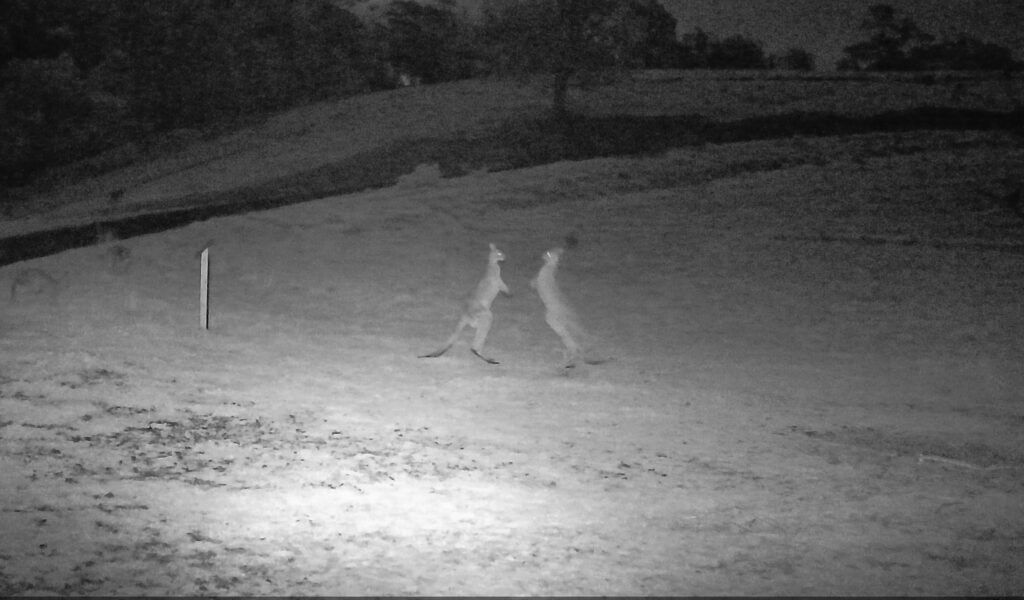
The Staughton Vale Campus continues to reveal the rich biodiversity of the surrounding landscape, with recently installed wildlife cameras capturing fascinating activity across the property. Motion-sensor cameras have been placed in several locations around the campus to help monitor native animals and better understand how wildlife moves through the area.
Early footage has already revealed a range of animals using the landscape. Cameras positioned near the lower areas of the campus have captured regular visits from Eastern Grey Kangaroo, while others have recorded a possible Sambar Deer moving through the property.
Interestingly, wildlife has also been detected near the top of the campus at the revegetation site adjoining Brisbane Ranges National Park. This suggests that animals are actively using the revegetated areas and corridors between the national park and the Staughton Vale landscape.
The cameras provide valuable insights for both land management and student learning. By observing how animals interact with different habitats, students gain a real-world understanding of ecology, biodiversity and the importance of protecting natural environments. The project highlights how Staughton Vale functions, not only as a farm and learning environment, but also as an important wildlife corridor within the Brisbane Ranges region.
David Gorton – Head of Campus (Staughton Vale)