Woodlea
Geography Fieldwork: Learning Beyond the Classroom
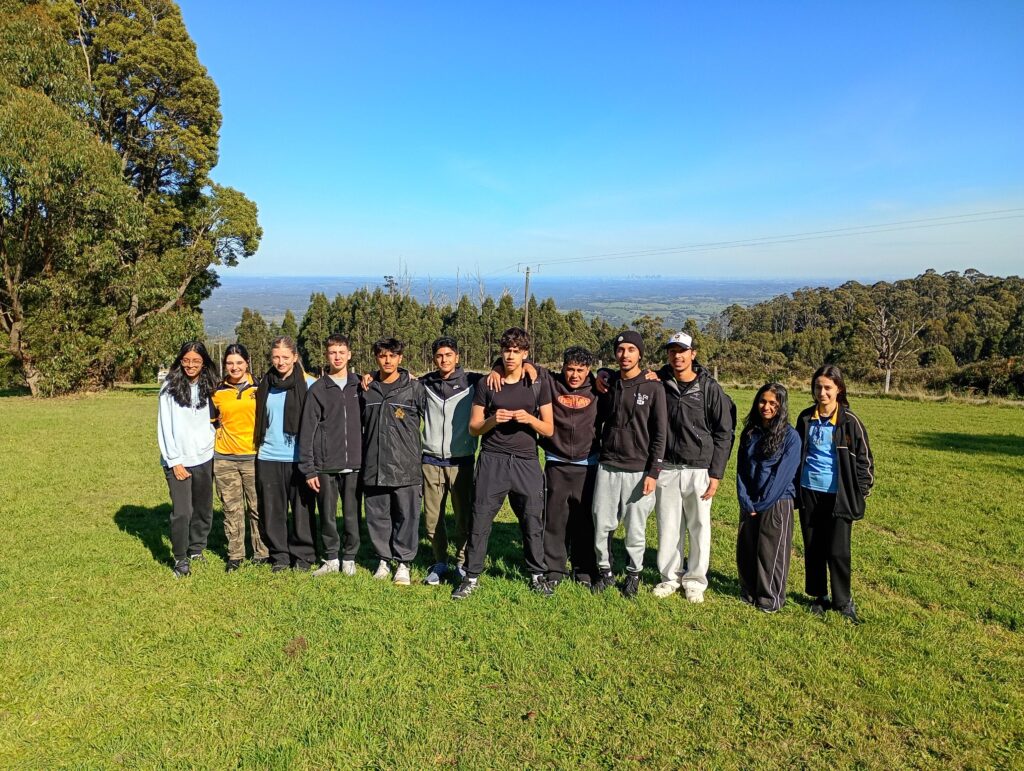
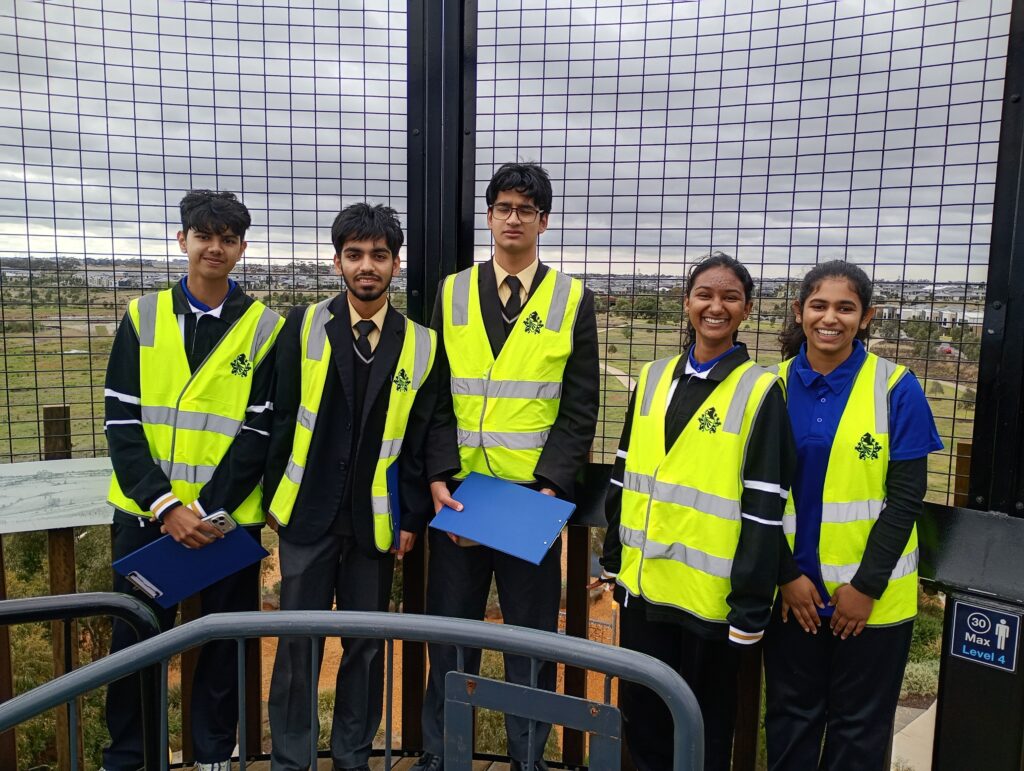
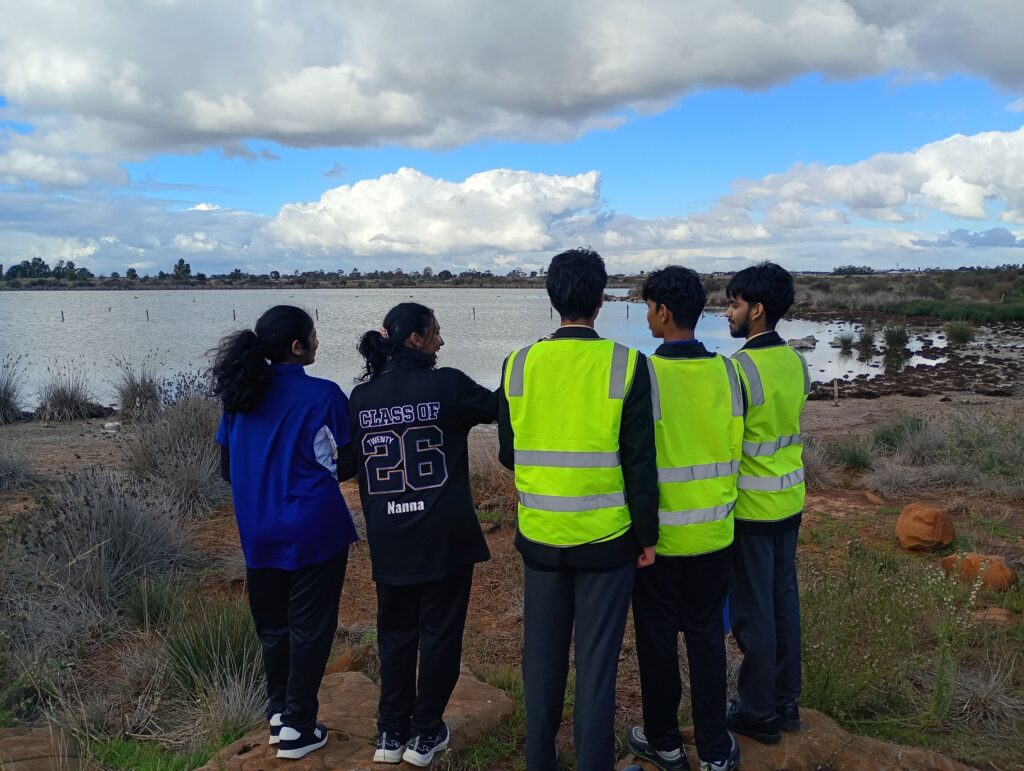
Students across Years 10, 11 and 12 have recently taken their learning outdoors, participating in a fieldwork excursion that forms a key part of their Geography assessments. This hands-on experience has allowed students to engage directly with real-world environments, deepening their understanding of the concepts explored in class.
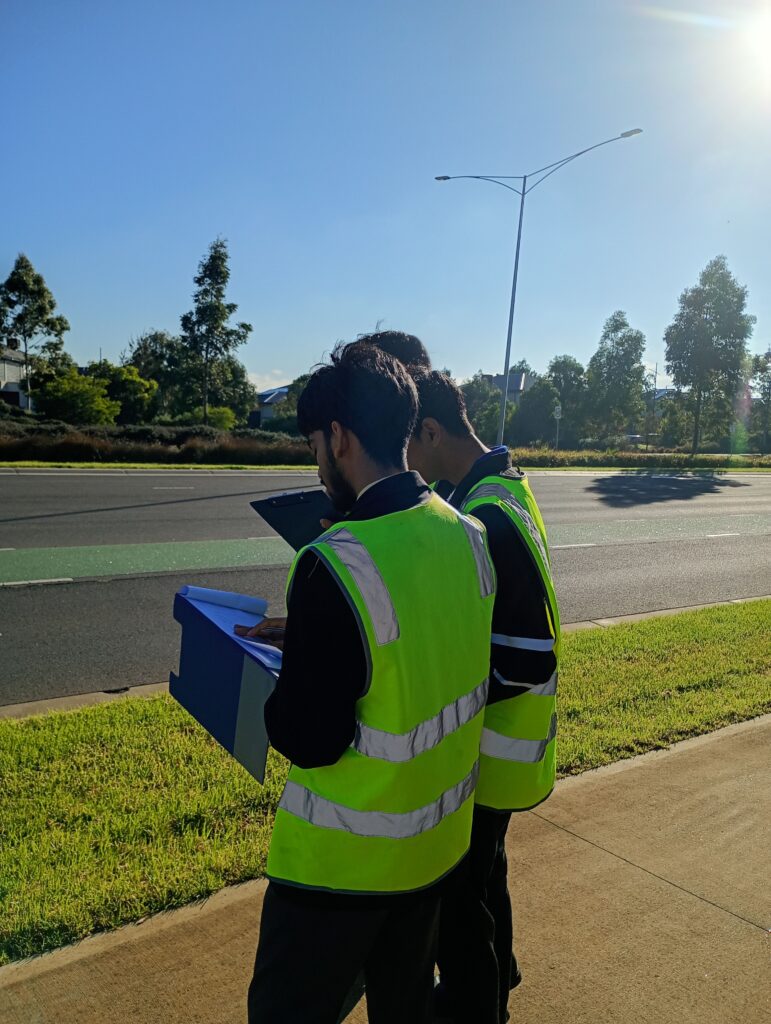
Year 10 students travelled to Melbourne where they explored how urban environments function and respond to challenges such as sustainability and liveability. They gathered primary data to examine patterns in land use, environmental quality and human activity within a major city setting.
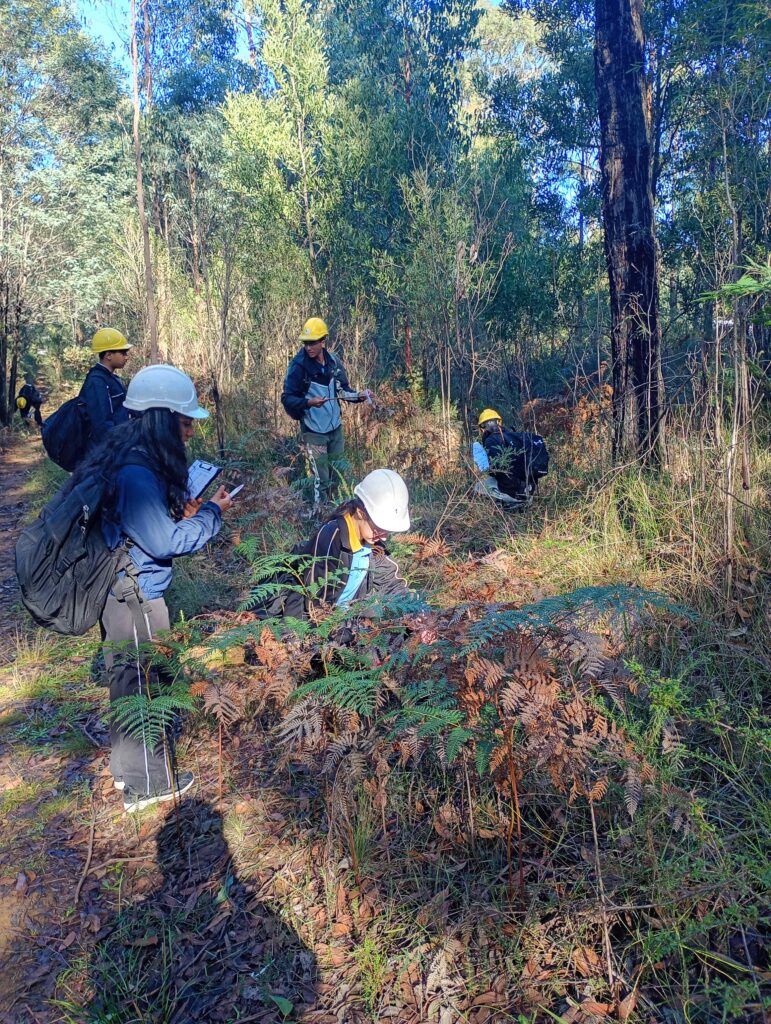
Year 11 students visited Kinglake, investigating long-term recovery following the 2009 Black Saturday bushfires. Through this case study, students examined spatial patterns and processes over time, analysing how natural disasters reshape environments and communities, and the factors that influence recovery and resilience.
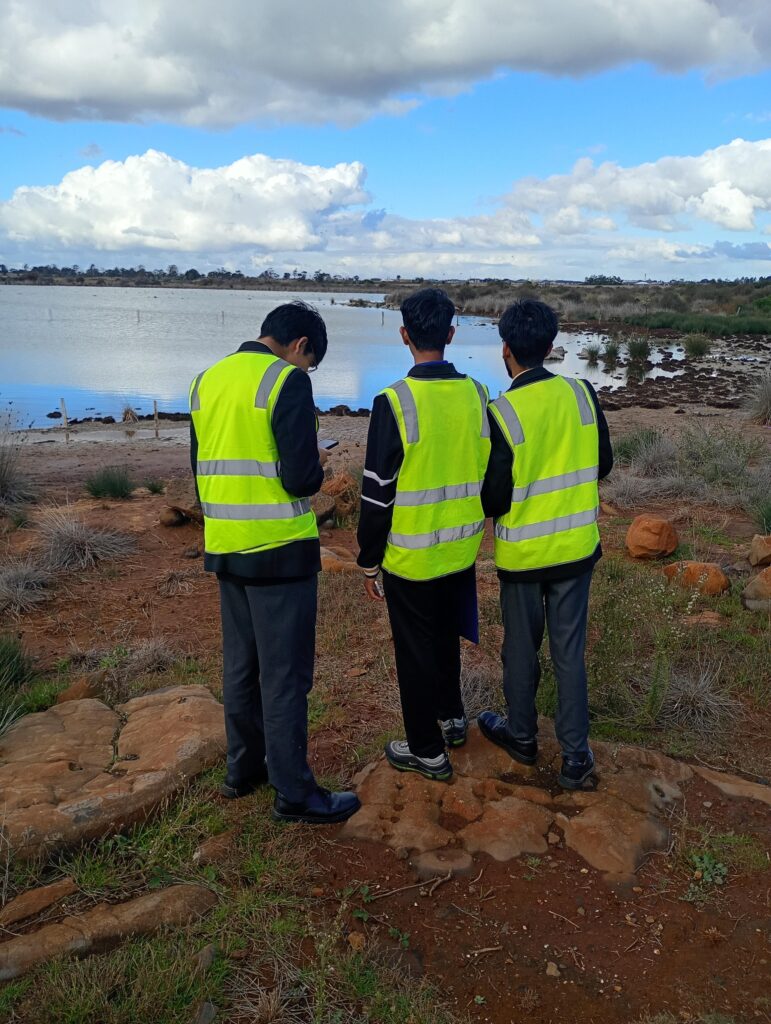
Year 12 students conducted fieldwork within the Woodlea area, focusing on how land use has changed over time. Their inquiry involved evaluating human impacts, environmental management strategies and future planning considerations, drawing on primary data collected locally to support their analysis.
A key feature across all year levels was the use of GIS (Geographic Information Systems) technology. Students utilised digital mapping tools to record, analyse and visualise spatial data, enabling them to identify patterns and relationships that are not always immediately visible in the field. This integration of technology enhanced both the accuracy of data collection and the depth of analysis in their investigations.
Fieldwork is a cornerstone of Geography because it transforms abstract ideas into tangible experiences. Concepts such as sustainability, change, interconnection and place become far more meaningful when students can observe them first-hand. Rather than simply reading about issues, students are actively engaging with them asking questions, collecting evidence and forming informed conclusions.
It has been fantastic to see Woodlea students demonstrating enthusiasm, resilience and professionalism throughout the excursion. Experiences like these highlight the power of Geography to connect classroom learning with the world beyond the school gates, inspiring students to think critically about the environments they live in and the changes they can influence.
We look forward to seeing how students transform their fieldwork findings into insightful and engaging assessment responses.
Stacey-Lee Viljoen – Head of Year 9 and Head of Duke of Edinburgh (Woodlea)
Year 9 Health – First Aid
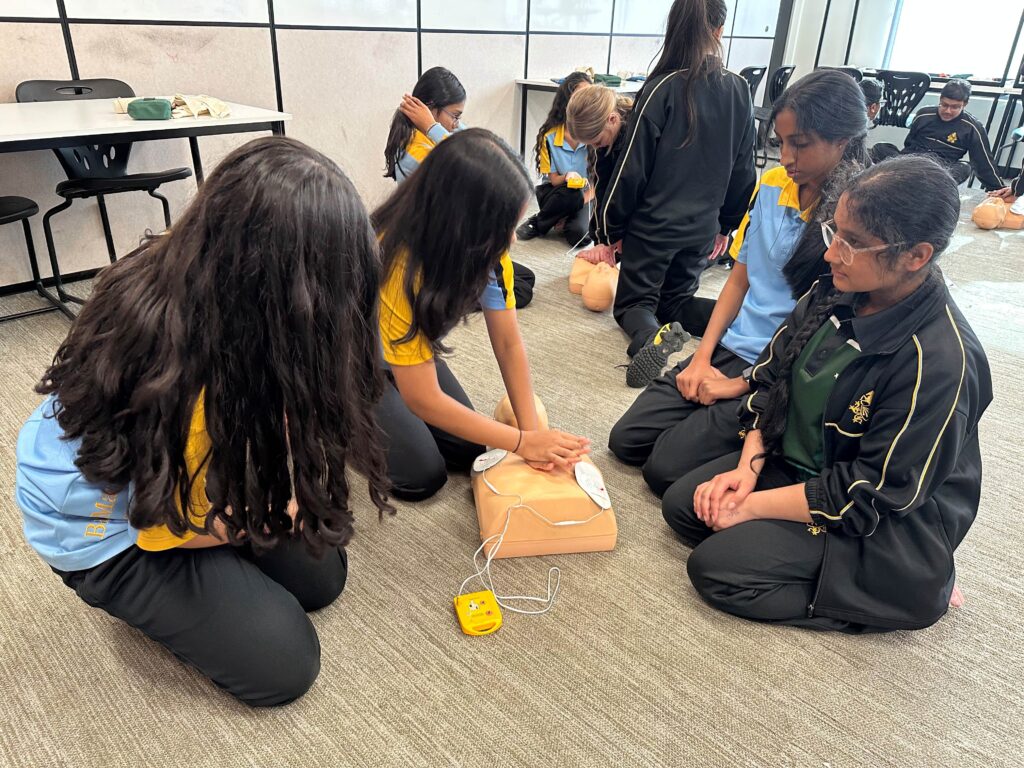
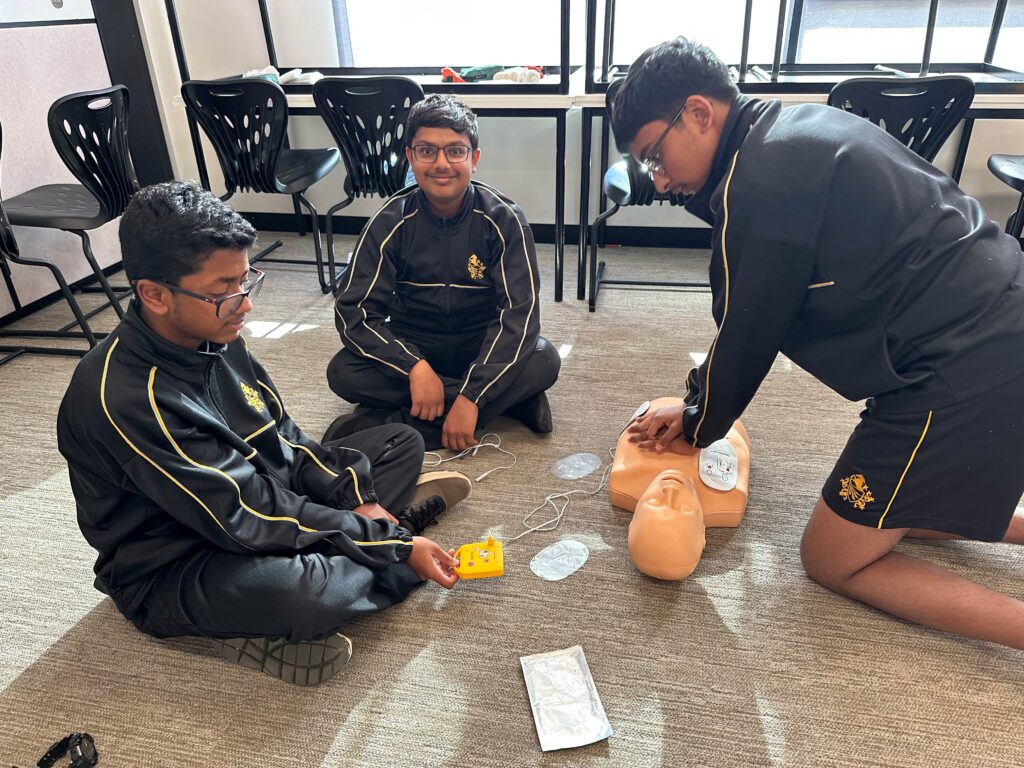
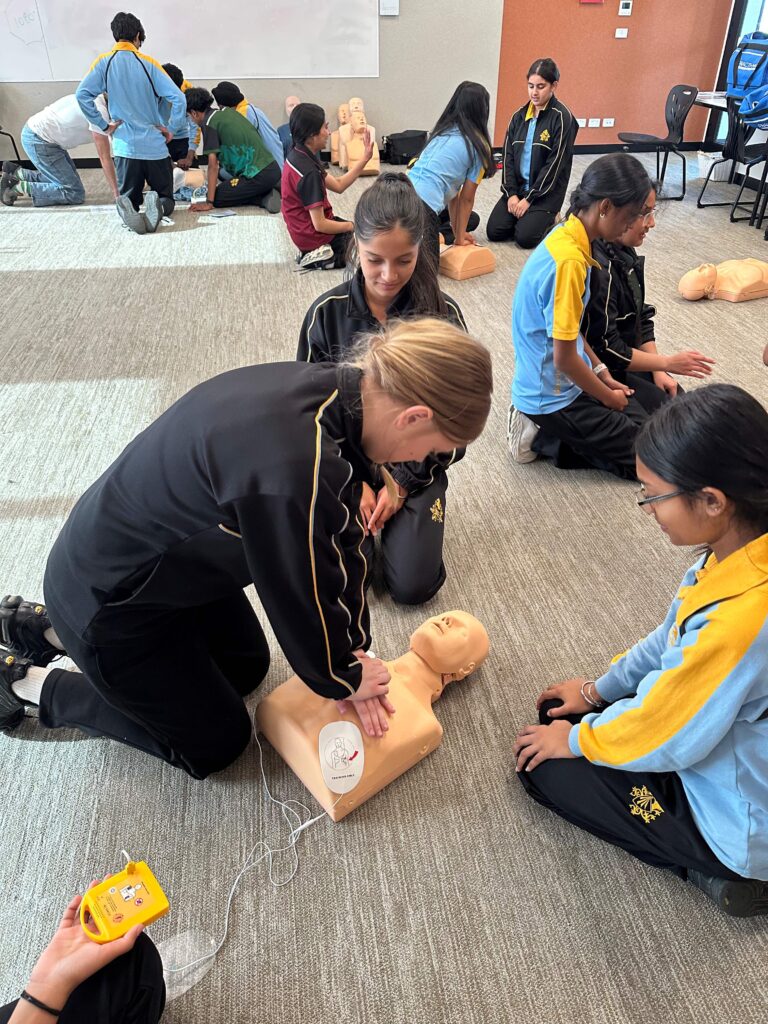
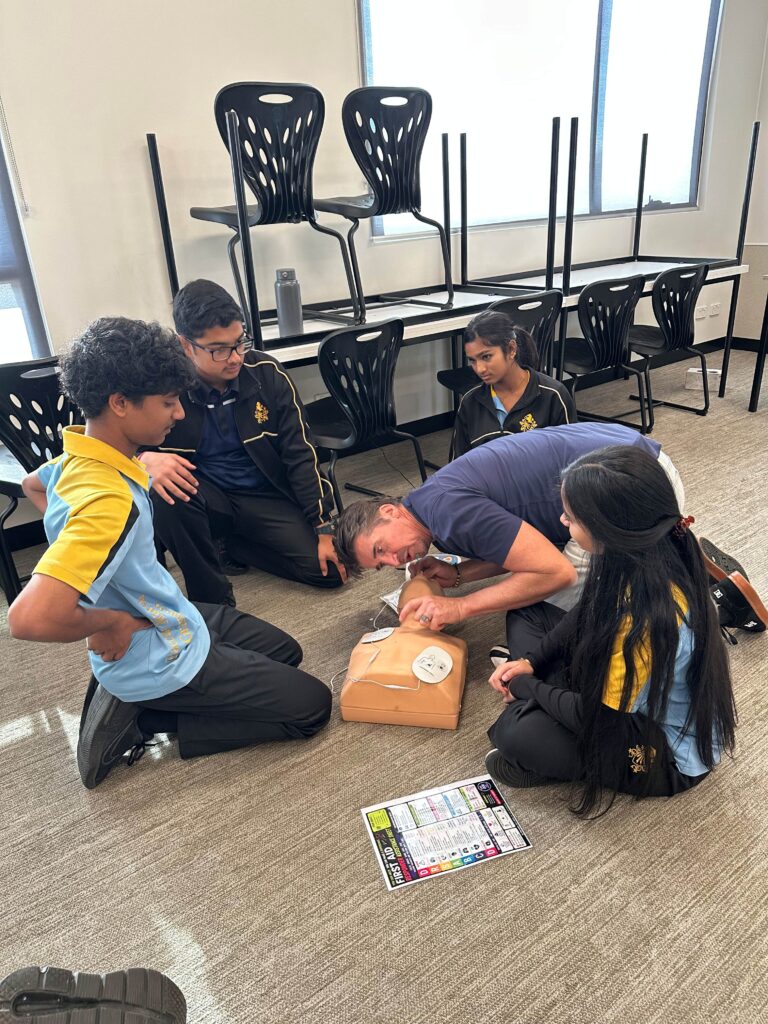
In Week 6, the Year 9 Health/P.E classes participated in a CPR and First Aid training session.
During the weeks leading up to the course, students had been learning how to provide CPR and First Aid through learning content and completing course work.
On the May 28 and 29, students completed a practical training session with KSafety. When we first entered the classroom, students were met with an unconscious casualty situation that required us to go through the steps of DRSABCD. We were assessed on our CPR skills and ability to use a defibrillator on a variety of patients including adults and infants.
After this session, everyone in our class became fully qualified to perform CPR and obtain a certification in HLTAID009 to provide cardiopulmonary resuscitation.
Overall, this session was a very fun, challenging and a rewarding learning experience. Like our instructors, we hope that we will never have to use this, however, if we come across an emergency one day, any of us will be ready to do our best to preserve life and help others.
Kosheen P 9WC and Annanya P 9WA