Literacy Week – a love of reading and Father’s Day celebrations
This week, we celebrated Literacy Week with a range of activities designed to highlight the joy and importance of reading. Exploring different genres, sharing stories and celebrating books helped remind us that reading opens doors to new ideas, experiences and imagination.
At school, we aim to nurture a lifelong love of reading in every child. Families play an important role in this journey too, whether it is reading together, talking about stories, visiting the library or simply sharing a favourite book. Together, we can inspire a love of reading that extends well beyond the classroom.
Our Literacy Week celebrations also provided an opportunity to recognise that literacy extends into the digital world. We encourage students to develop strong digital skills while learning how to use technology safely and responsibly. Families can support this by setting clear screen-time boundaries, exploring educational content together and talking about responsible device use.
It was also wonderful to celebrate Father’s Day and Special Person’s Day with our Junior School community. We hope all our fathers and special role models enjoyed the opportunity to spend quality time with their children and celebrate the special relationships they share. We recognise that these important role models may include fathers, grandfathers, uncles, brothers, family friends and other significant people who provide encouragement, care and support in our children’s lives.
Thank you to all the families who joined us and helped make our celebrations so special.
Sally Savic – Assistant Principal: Head of Junior School (Woodlea)
Melanie Morton – Assistant Principal: Head of Junior School (Maddingley)
Spotlight on Learning and Teaching in the Junior School – Vocabulary
Why Vocabulary Matters
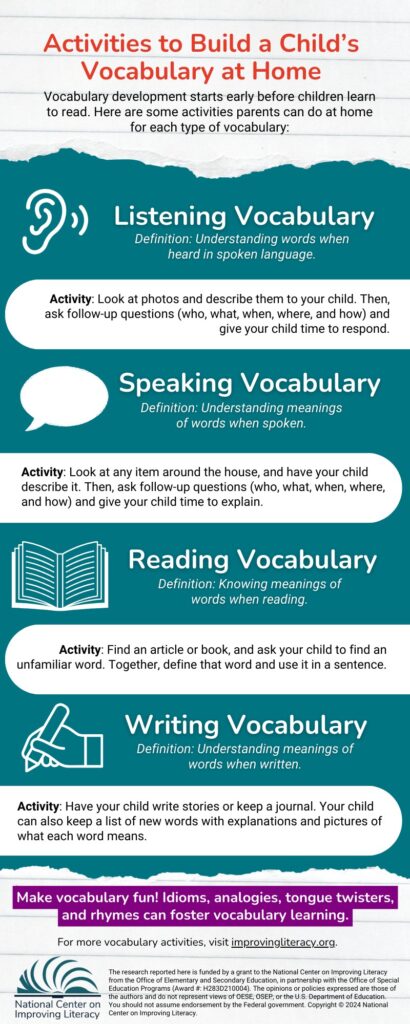
Vocabulary is the collection of words we understand and use when we communicate. Having a strong vocabulary helps children understand what they hear, express their ideas clearly and make sense of what they read.
Children develop vocabulary through the conversations they have, the experiences they share and the books and texts they hear and read. While children naturally learn many words through everyday interactions, they also benefit from adults deliberately introducing and discussing new and interesting words.
A strong vocabulary supports children across all areas of learning. The more words children understand and can use, the better equipped they are to understand new ideas, communicate their thinking and comprehend increasingly complex texts when reading and writing.
Building Vocabulary at home
Parents and carers play an important role in helping children develop their vocabulary. Everyday conversations, reading and shared experiences provide wonderful opportunities for vocabulary development.
When introducing a new word, try to:
- Explain it: Give a simple, child friendly definition.
- Give an example: Connect the word to something your child knows or has experienced.
- Use it: Encourage your child to use the new word in their own sentence.
- Revisit it: Continue using the word in conversations over the following days and weeks.
Ways to support Vocabulary Development at home
Establish a regular home reading routine and read with your child each day. Reading a wide range of books and texts exposes children to new and interesting vocabulary.
- Encourage your child to reread familiar texts to build fluency and help new vocabulary become more familiar.
- Encourage your child to use new words in conversation. The more often children hear, say and use new vocabulary, the more confidently they will understand and use it themselves.
- Explore synonyms and antonyms. For example, discuss how enormous means very big and is the opposite of tiny.
- Explore prefixes, suffixes and base words to help your child understand how words are built and how their meanings can change. For example:
- happy → unhappy
- help → helpful → helpless
- care → careful → carefully
- Introduce a word of the day. Choose an interesting word from a book or everyday conversation, discuss its meaning and try to use it several times throughout the day.
- Encourage your child to notice interesting and unfamiliar words in everyday life on signs, menus, television programs, in conversations and when visiting new places.
- Most importantly, talk, talk, talk! Everyday conversations provide wonderful opportunities to introduce sophisticated vocabulary. Talk about what you are doing, what you see, how things work, and encourage your child to explain their ideas using increasingly precise and descriptive words.
Ashleigh Durham – Deputy Head of Junior School (Maddingley)
Aimee La Franchi – Deputy Head of Junior School (Woodlea)
Maddingley
Flying Bookworm comes to Prep
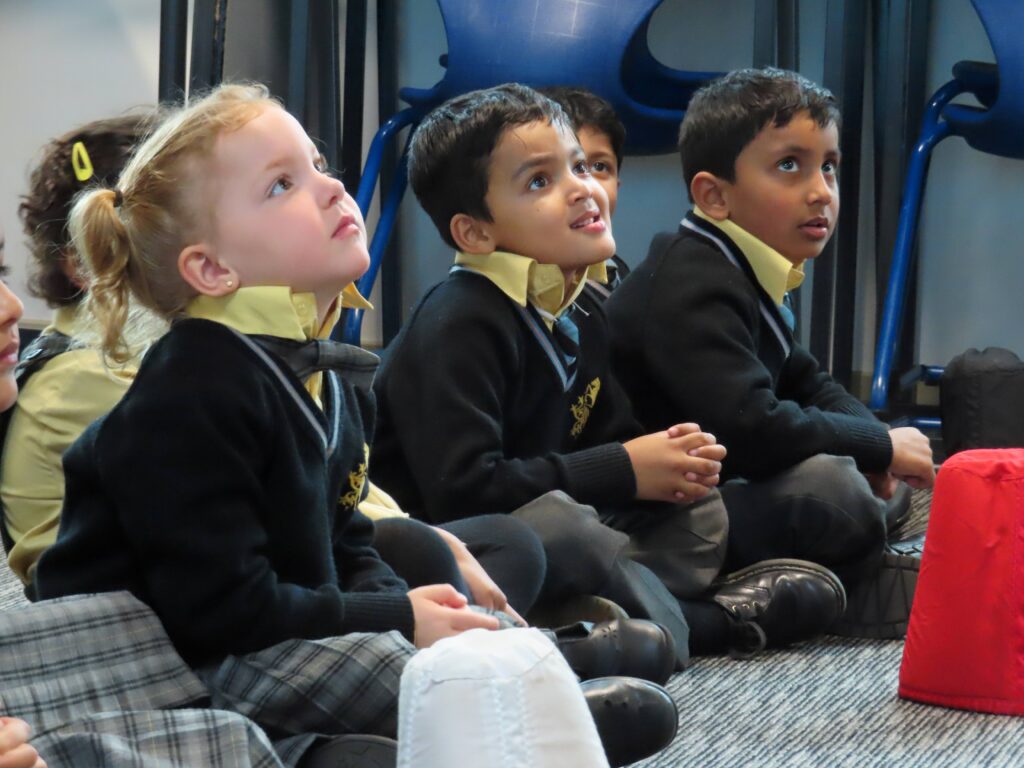
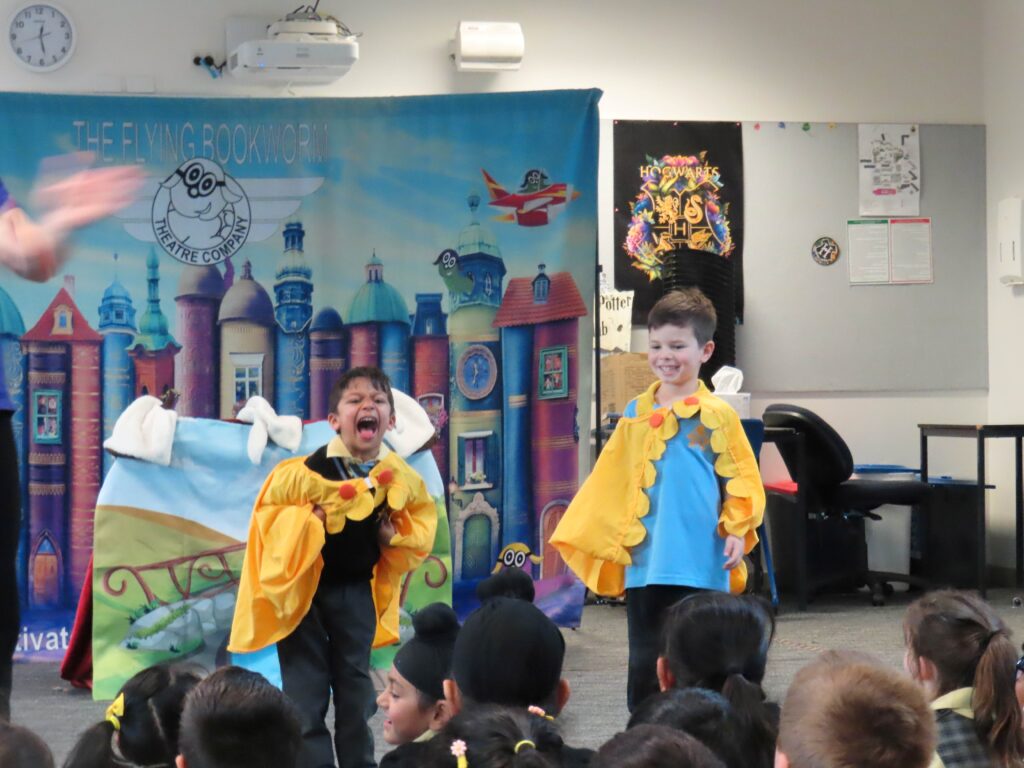
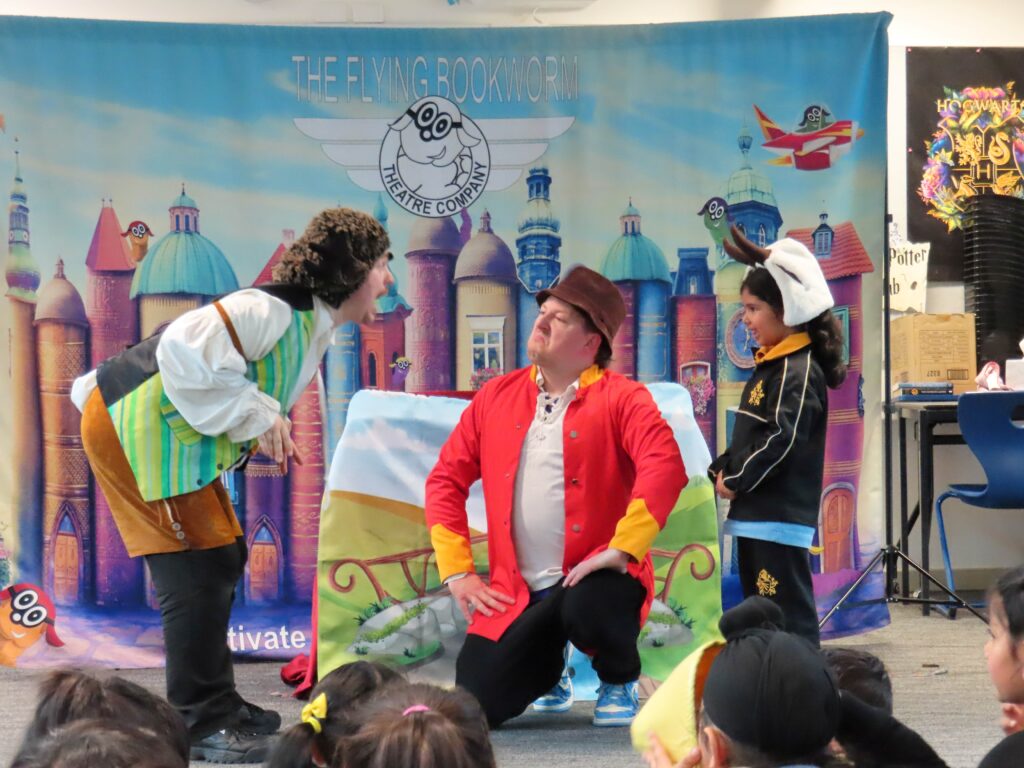
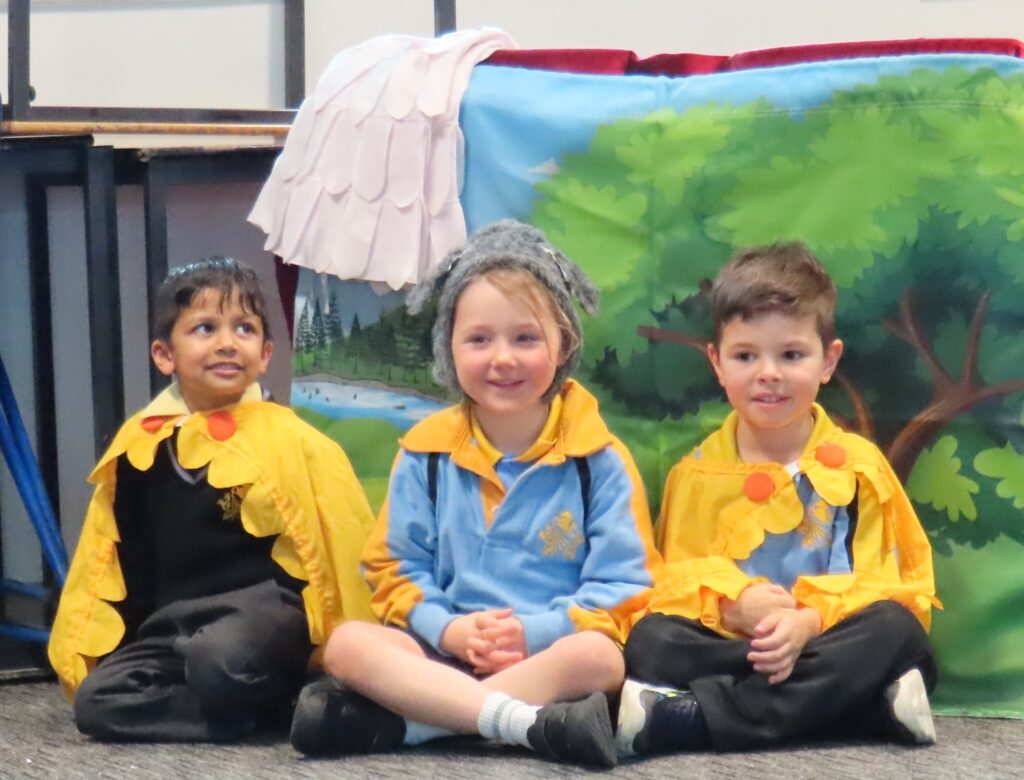
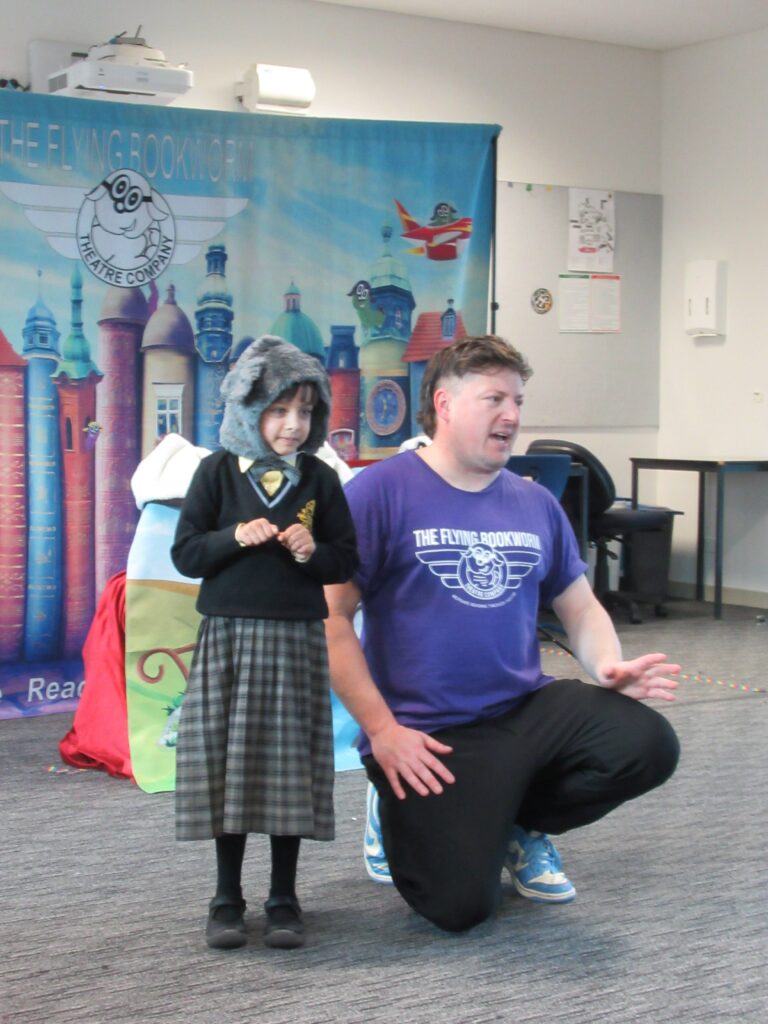
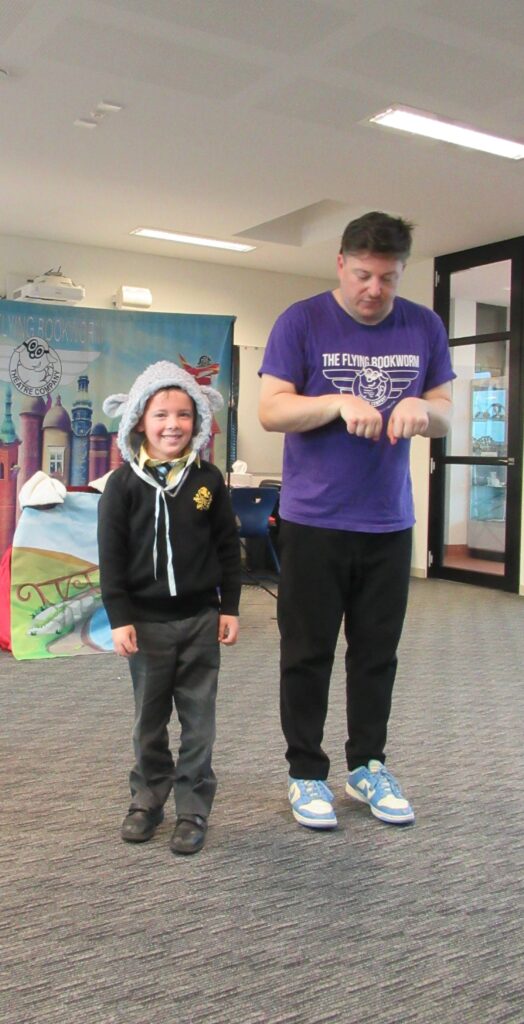
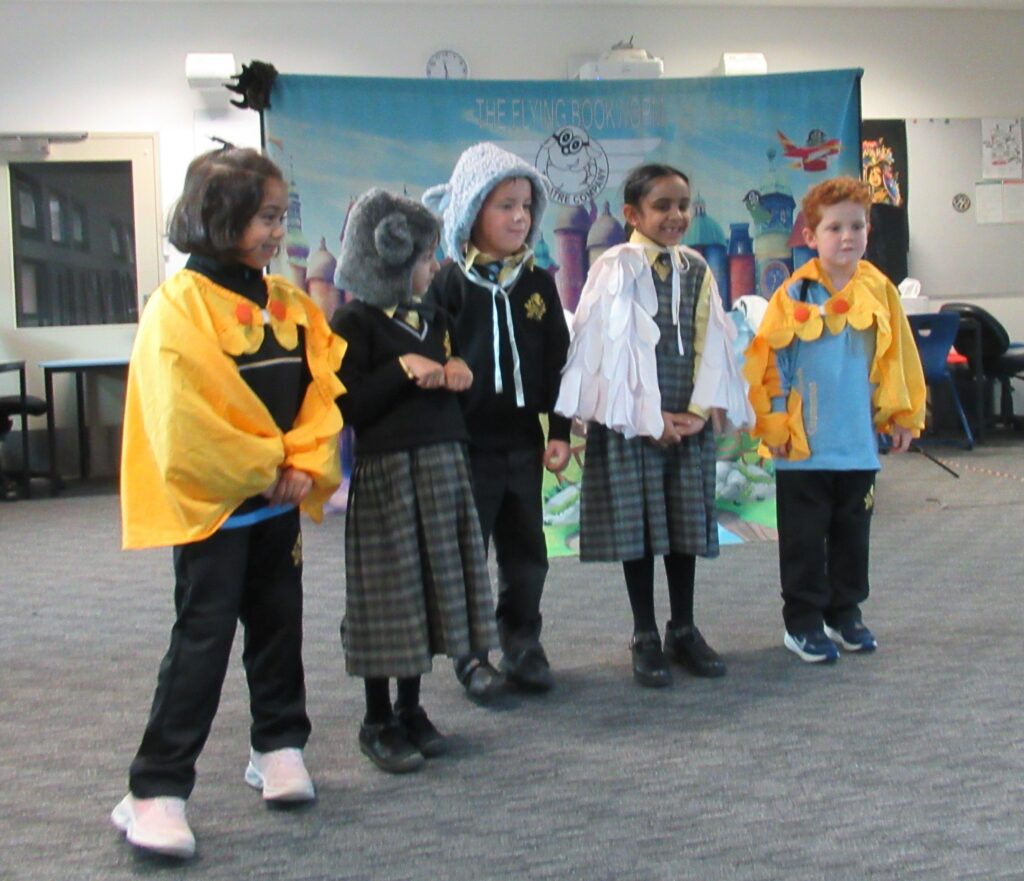
On Friday 28 August, our Prep and Prep Reception students were treated to a wonderful Flying Bookworm performance. The highly interactive storytelling experience brought some of our favourite traditional tales to life through drama, movement, music and plenty of audience participation.
Prep Reception enjoyed engaging performances of The Little Red Hen, Caps for Sale and The Little Engine That Could, while our Prep students were entertained by Goldilocks and the Three Bears, The Three Billy Goats Gruff and The Ugly Duckling.
The students enthusiastically joined in with the performances, helping characters, responding to questions and becoming part of each story. It was wonderful to see their excitement and confidence as they used their voices, imaginations and actions to participate.
The experience provided a fantastic opportunity to further develop our students’ love of books and storytelling, while strengthening their understanding of characters, sequencing, narrative and expressive communication. Most importantly, the students had lots of fun bringing these much-loved stories to life!
Kylie McKerrow – Early Years Coordinator (Prep Reception – Year 2): Maddingley
Woodlea
Year 4 CERES Excursion
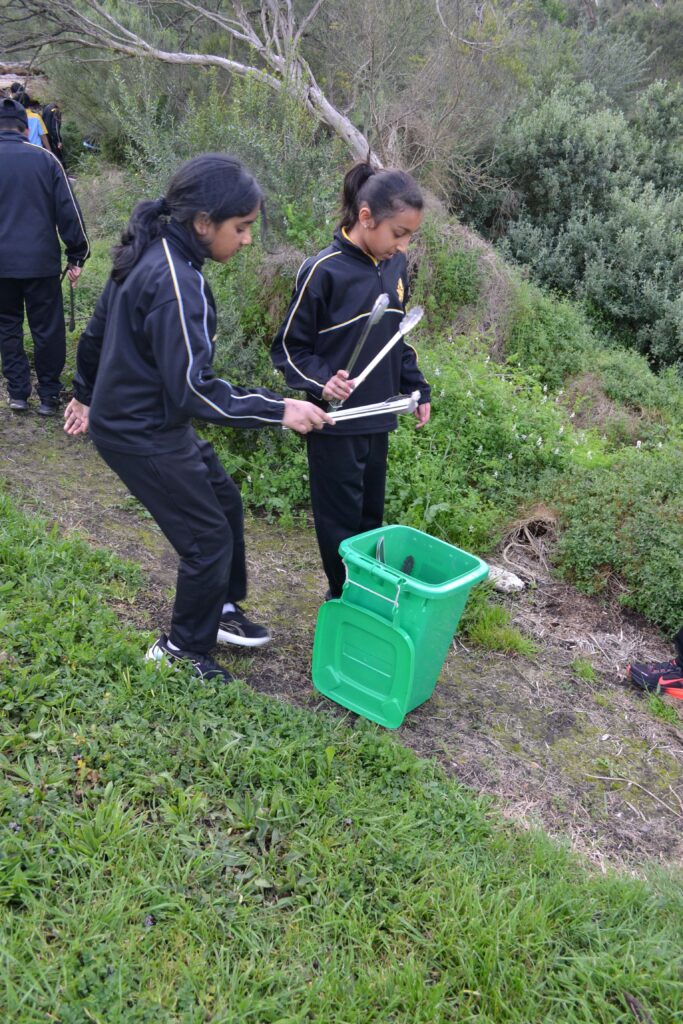
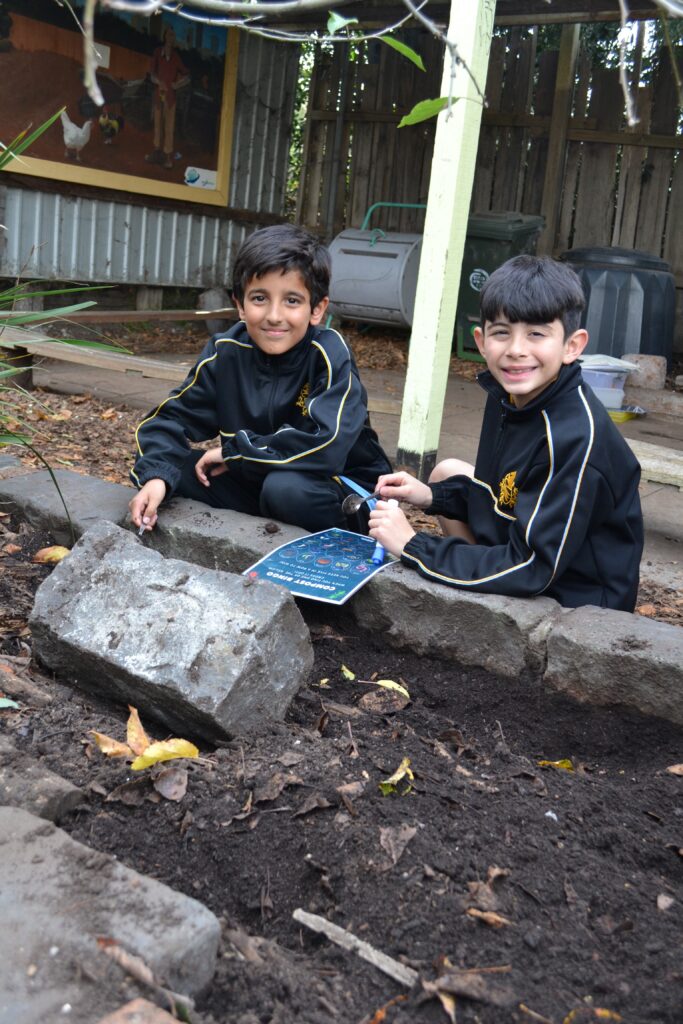
Year 4 students had a fantastic day at CERES Community Environment Park where they explored the theme of Towards Zero Waste, connecting closely with our English and Global Studies units on sustainability. Throughout the day, students participated in hands-on activities that helped them understand how small changes can make a big difference to our environment.
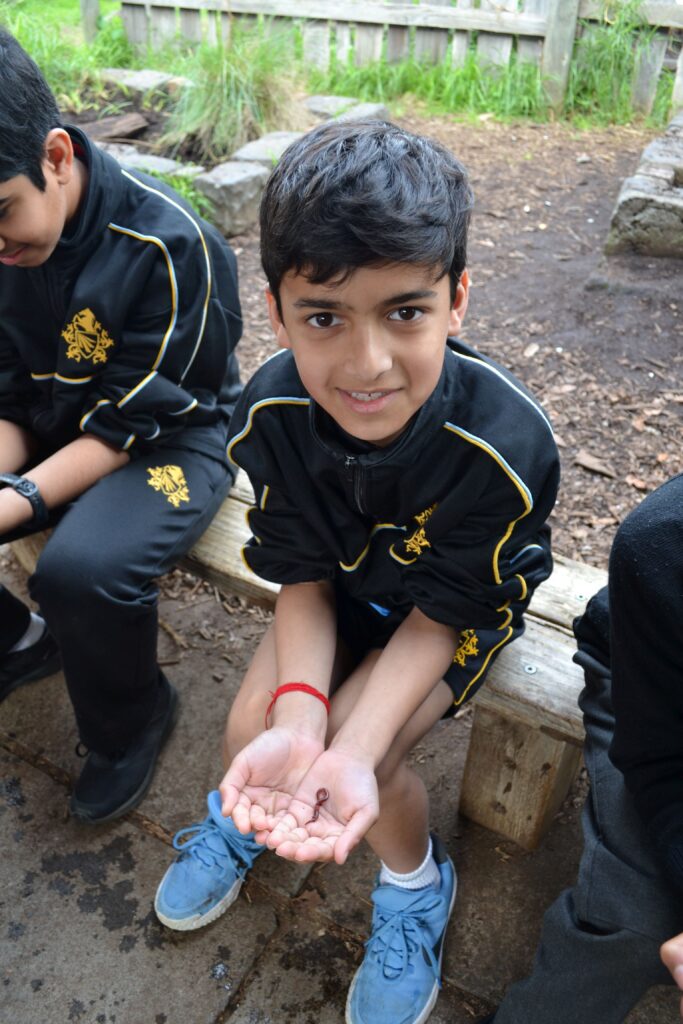
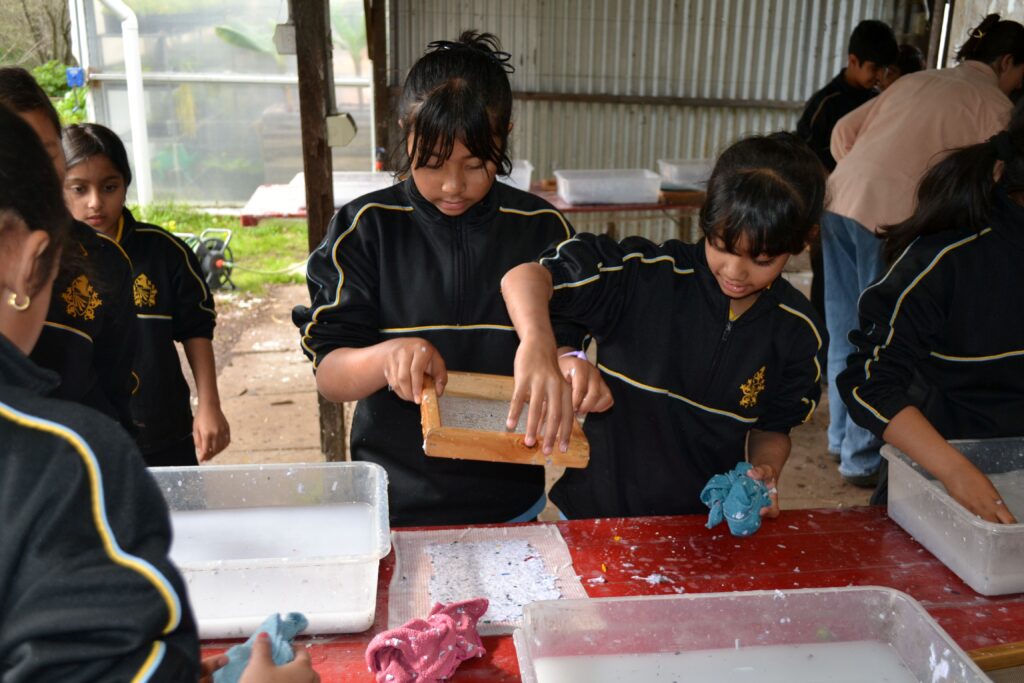
Students made their own recycled paper using paper scraps, searched for rubbish along Merri Creek using long-handled tongs and played Living Things Bingo, exploring the garden beds to find different living things. They even had the opportunity to hold worms and learn about their important role in breaking down food waste!
We also put our sustainability learning into action by bringing nude food to reduce the amount of rubbish we created. At CERES, students carefully sorted their food scraps into the correct bins; separating citrus and non-citrus waste so that the appropriate food scraps could be fed to the worms.
It was a wonderful day of learning, exploring and putting sustainability into practice. Most importantly, students learnt how we can all rethink, reduce, reuse and recycle to help move towards a zero-waste future.
Ashlee Taylor – Head of Year 4 (Woodlea)