Education Perfect Championships
Bacchus Marsh Grammar students from both Maddingley and Woodlea have once again achieved outstanding results in the Education Perfect Championships, competing across the Mathematics, English and Science competitions.
Earlier in the year, our students achieved an incredible result in the Mathematics Championships, finishing 3rd overall globally out of 1,447 schools, and 1st overall in Australia and Victoria.
This was followed by another fantastic result in the English Championships where our students continued to demonstrate their commitment and dedication and were crowned overall champions.
Across all three competitions, students have answered thousands of questions and dedicated significant time to developing their knowledge and skills. Their willingness to challenge themselves, both at school and at home, has contributed to some truly remarkable results.
The Mathematics, English and Science Championships have provided students with an opportunity to test themselves against students from schools across Australia and around the world, while also earning valuable points for their school and Houses.
A huge congratulations to every student who participated in the Education Perfect Championships. Your effort, persistence and willingness to keep learning have contributed to these fantastic results.
Congratulations to everyone involved in what has been an outstanding year of achievement in the Education Perfect Championships.
Nicholas Panczel – Chair of Houses (Woodlea) / Health and Safety Representative
Big Science Competition
We would like to acknowledge the students who participated in this year’s Big Science Competition. A total of 65 students from Maddingley and Woodlea Campus took part in the competition, choosing to challenge themselves with questions that tested their scientific knowledge and problem-solving skills.
We were pleased to see several students achieve very strong results, with many performing very well across the competition. We would like to recognise and congratulate all students who participated and thank them for representing the school.
Maddingley Students:
Armaan G, Ayansh G, Reyan H, Jessica N, Lazarus S, Samarjot A, Viraat B, Vicky F, Maneet G, Aarav A, Avi I, Meghana P, Jaithra S, Ayansh A, Aarash C, Aryan G, Palaash K, Paarth M, Aadi M, Rohan K, Tanuj N, Jisha N, William N, Vivaan O, Sreepaadh P, Aanya P, Sachee S, Vivaan S, Artharva S, Aaria P, Ishani P, Aarav V, Neil A, Aleena A, Lucy O and Uday S
Woodlea Students:
Antara B, Thanvi D, Ojusvee G, Cerunthini G, Aadhvik K, Aishnoor K, Hadi K, Keyan P, Vedant R, Aarya T, Sumishka B, Summer B, Gurpanth B, Shriyan D, Keenston G, Quinn H, Ritvik P, Shreyas T, Ruhaan B, Kosheen P, Aidan S, Thanvi V, Khushreet A, Maddie D, Keira K, Twisha M, Oscar N, Daiwik S and Ricky S
Sarah Thomson – Head of Faculty: Science (Maddingley)
Benjamin Northcott – Head of Faculty: Science (Woodlea)
2026 Subjects and Careers Expo
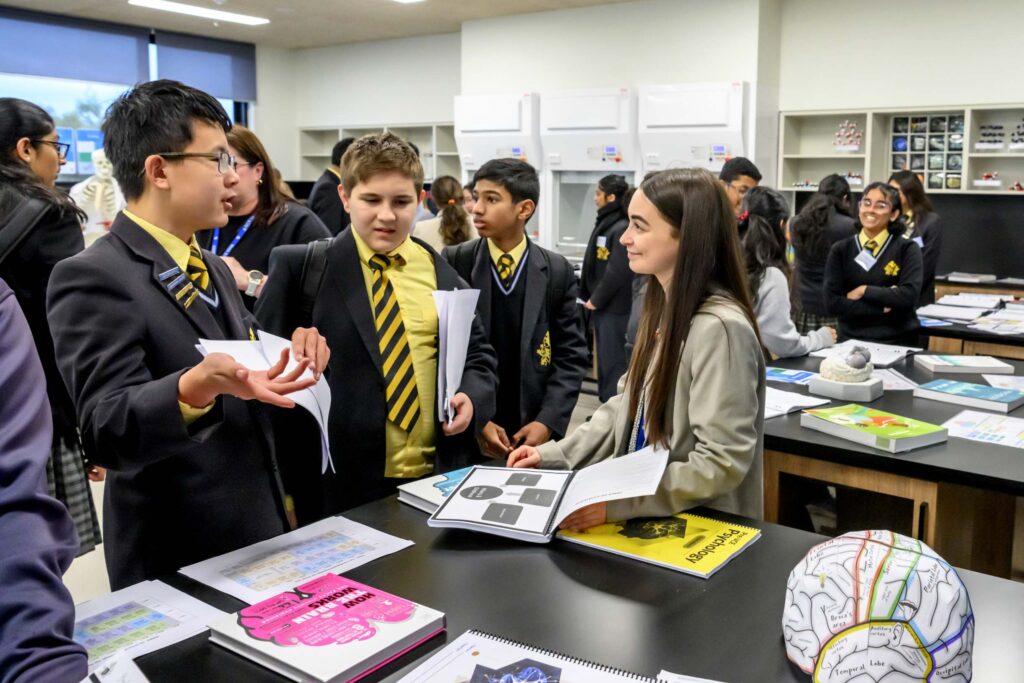
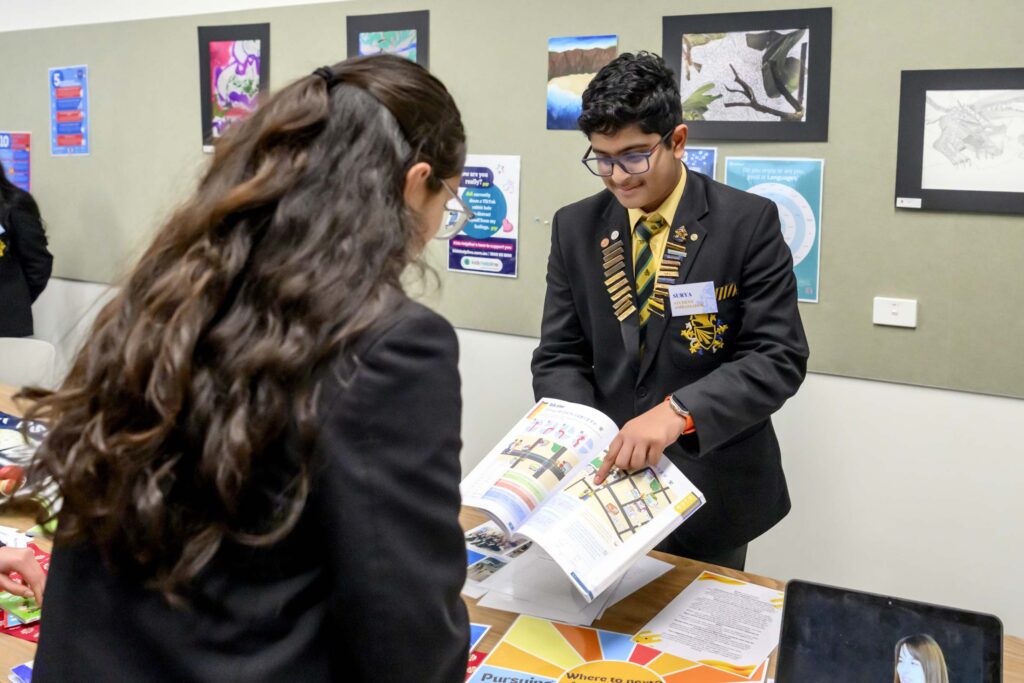
Earlier this term, Bacchus Marsh Grammar held its annual Subjects and Careers Expos at Maddingley and Woodlea campuses. The Expos spanned three focus areas for students and their families.
The Maddingley Expo
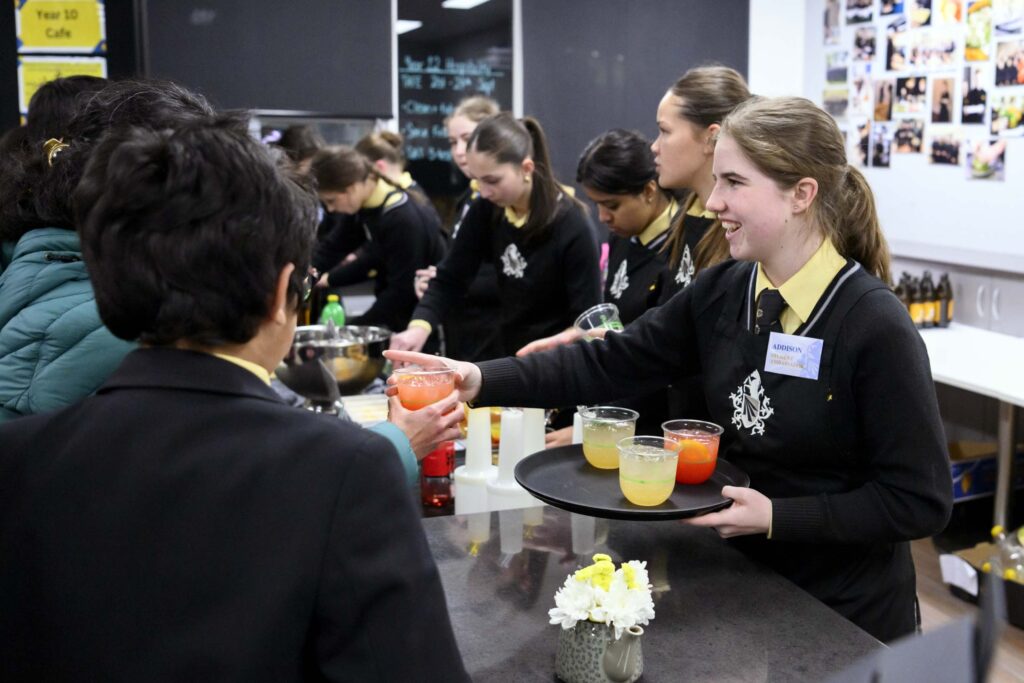
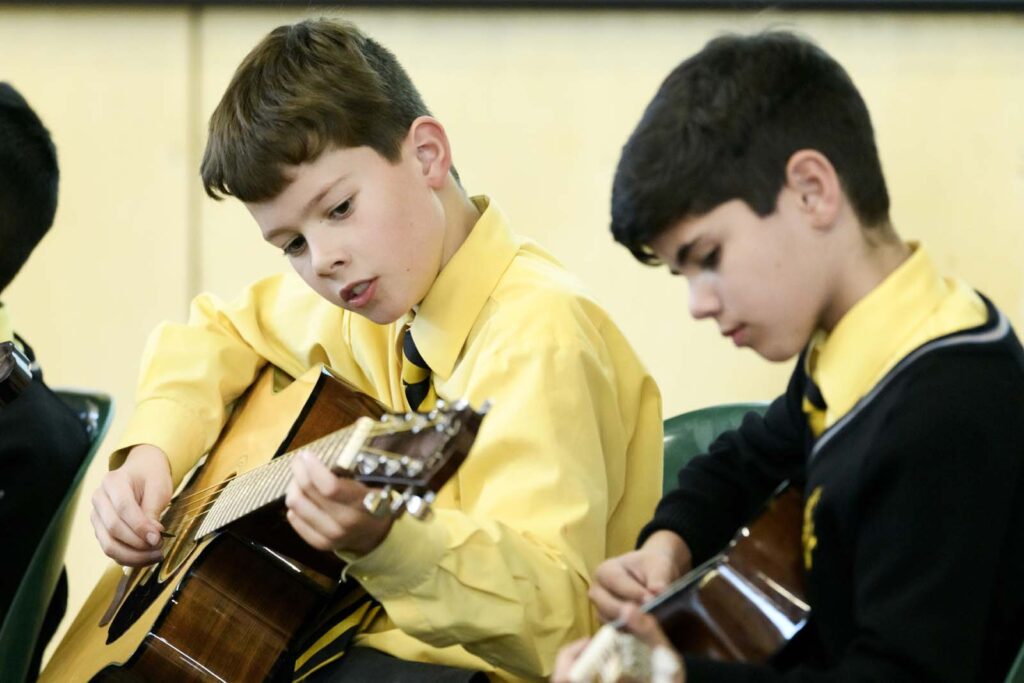
A buzz of excitement filled the air as students and their families gathered in the HIVE building for the event, eager to explore what lay ahead. Guests were warmly looked after throughout the evening with delicious drinks prepared and served by the school’s hospitality staff and students. Various performances from talented musicians filled the venue with energy and added a lively atmosphere to the night.
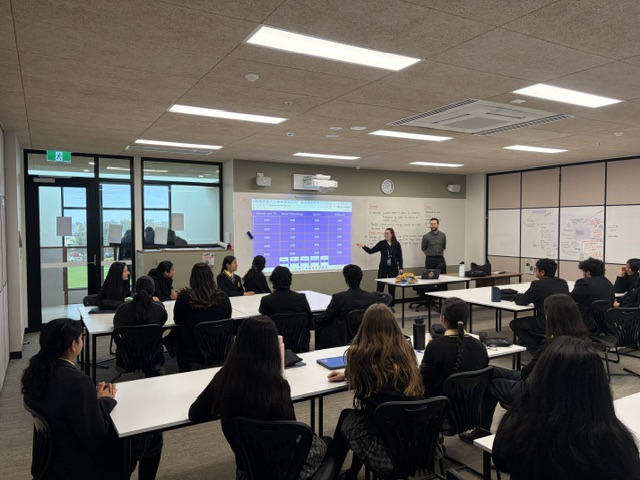
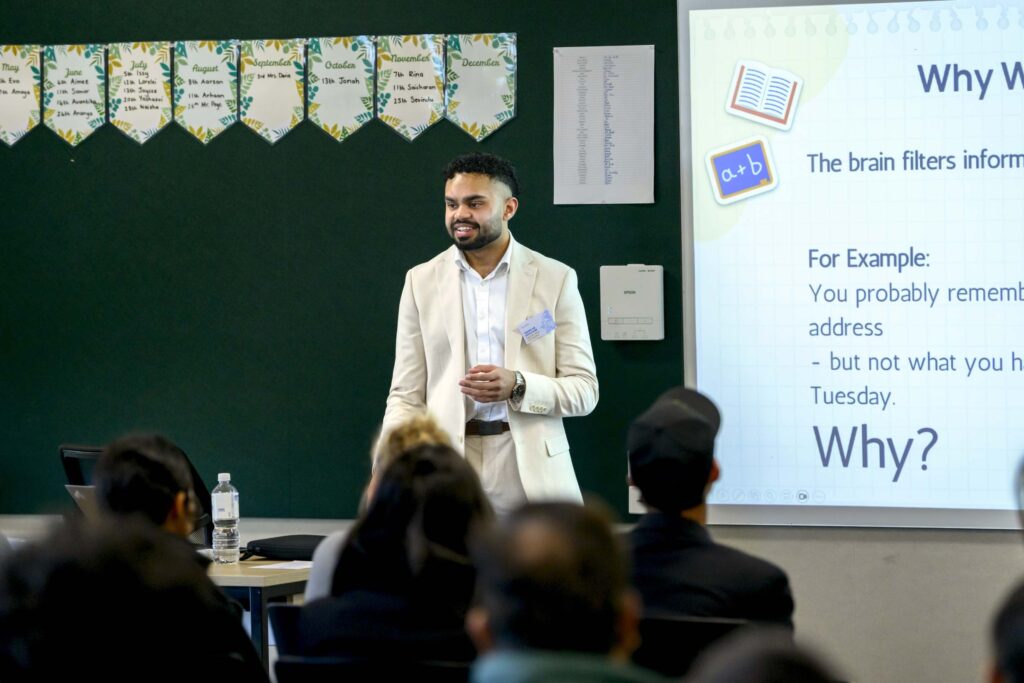
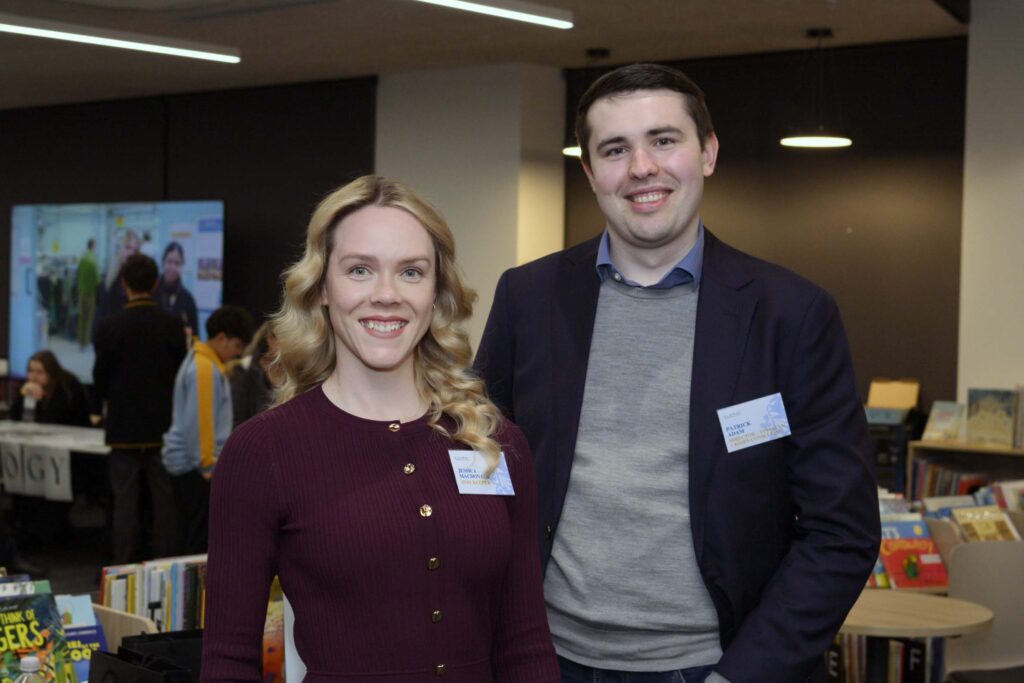
Throughout the event, students took the opportunity to engage in meaningful discussions with faculty staff and subject ambassadors, seeking guidance and advice as they prepared for subject selection. These conversations allowed students to ask questions, clarify options, and gain a clearer understanding of how different subjects could align with their interests and future pathways.
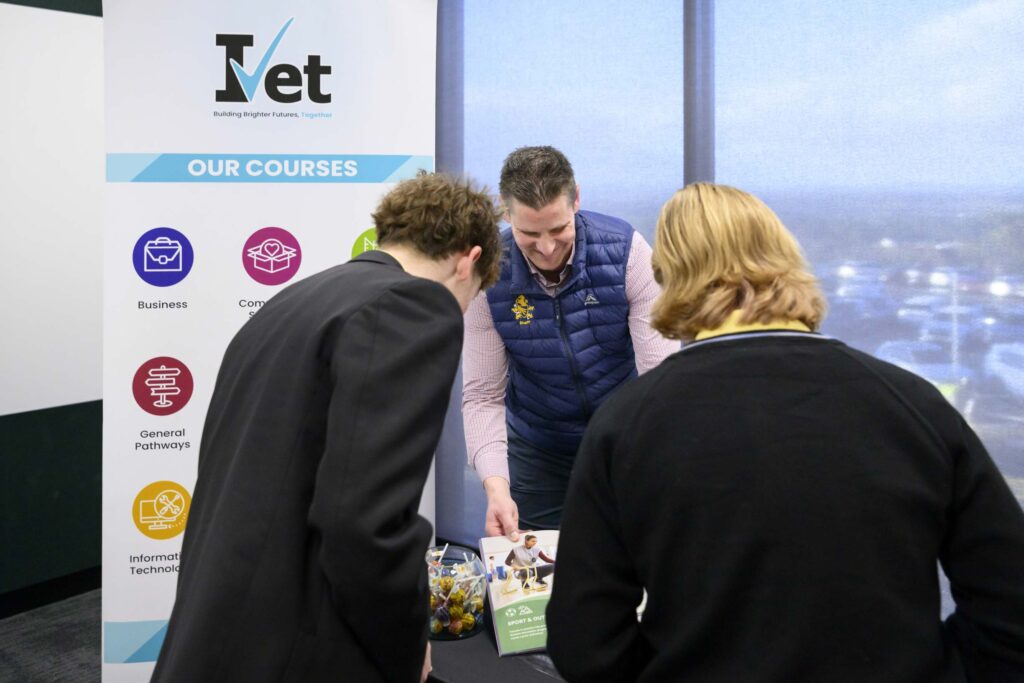
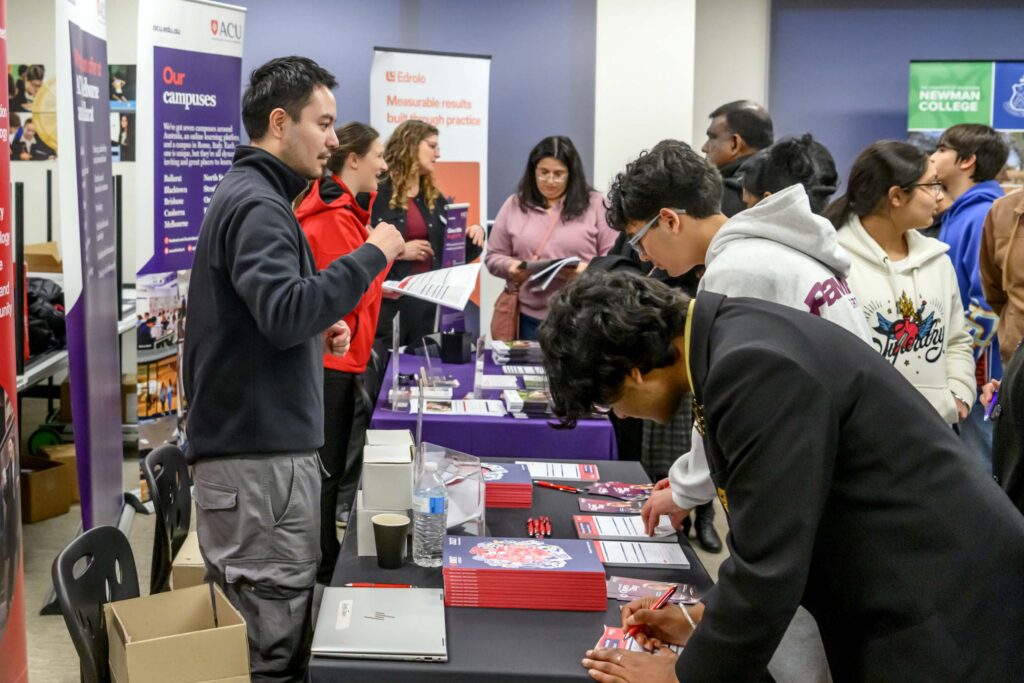
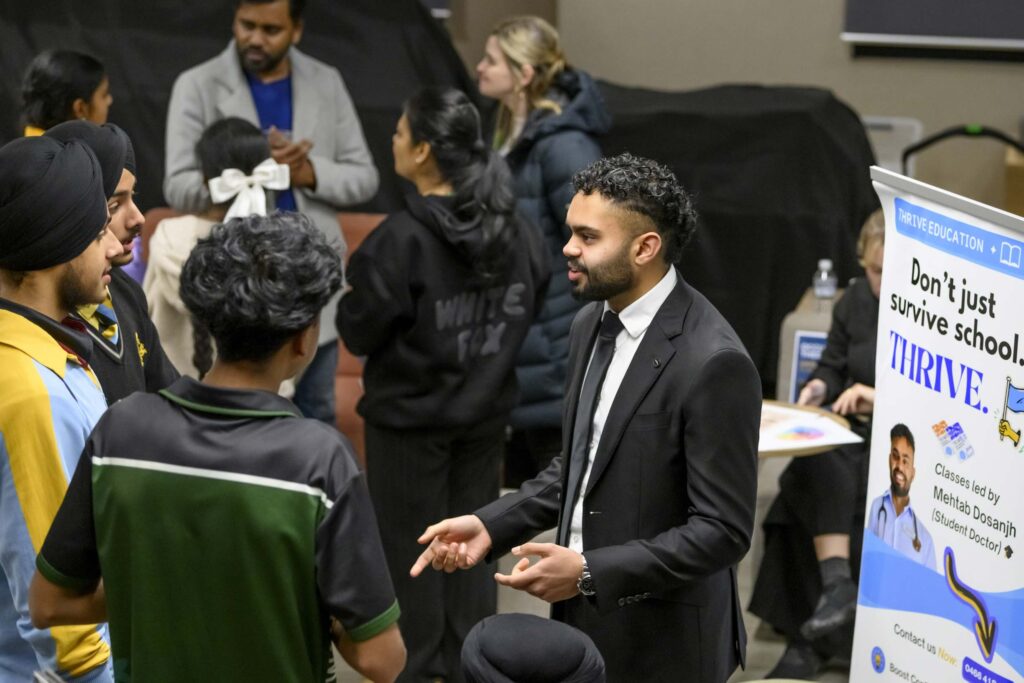
In between discussions with faculty staff and subject ambassadors, families and students showed great interest in the seminar sessions and stalls run by representatives from tertiary institutions and local workforces, taking the time to ask questions and explore the many pathways available beyond school. These conversations offered valuable insights into further study options, apprenticeships and career opportunities, and helped students and their families better understand the process involved in pursuing their next steps.
The Woodlea Expo
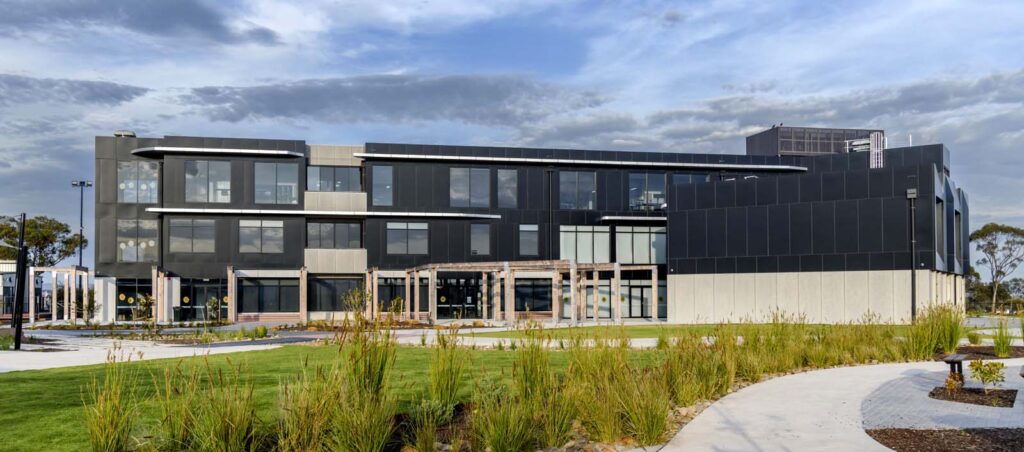
Walking into the Peng building, the students and their families were greeted by our hospitality students serving delicious mocktails. Our talented musicians were working tirelessly all night long to provide our live entertainment.
In the gymnasium, the Senior School team presented two information sessions to students and their families heading into Year 9 and Year 11 in 2027. These sessions outlined to families the expectations of students in our Senior School, as well guiding them through the VCE program, starting from double acceleration at Year 9, to a full VCE load from Year 11 to 12.
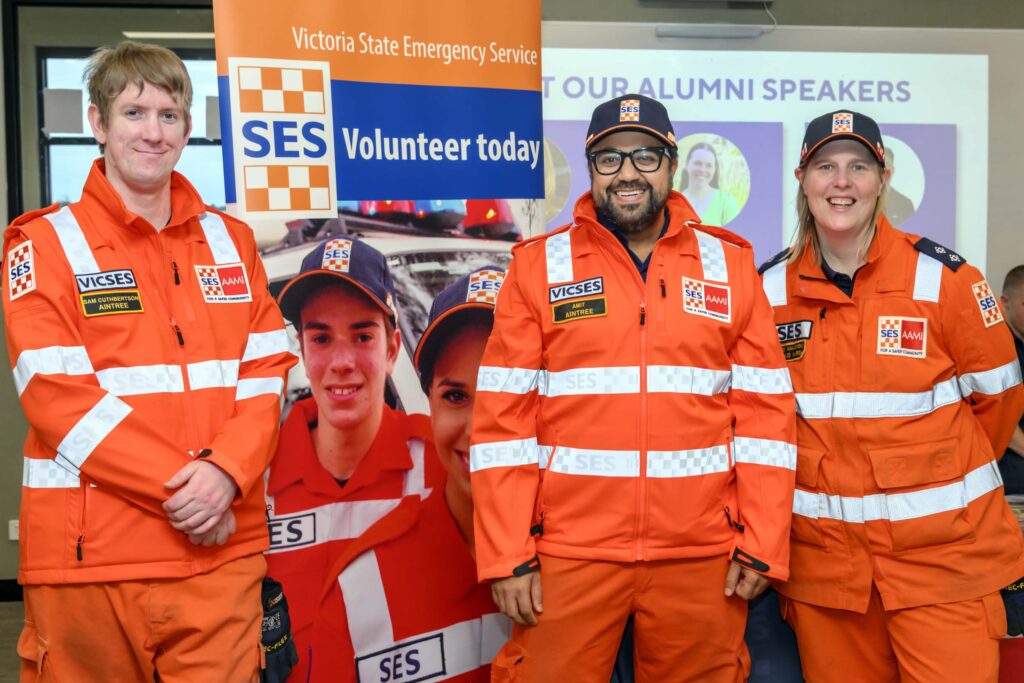
At the top of the Peng building, we had 35 exhibitor stalls set up. We had a variety of universities, RTOs, emergency services, private businesses and employment services, all providing students with an idea of what is out there.
Supporting the exhibition at the top of Peng Building were the seminars run by our exhibitors. Students were presented with valuable information at these seminars and opportunities to ask valuable follow-up questions.
And finally, students were greeted by BMG alumni. Our alumni spoke with students about their own schooling at BMG and their pathways after leaving school.
Both nights left students, families, and staff alike feeling informed, inspired and excited about what lies ahead. Thank you to everyone involved and to families in attendance – your effort and support made the evening a great success.
Student reflections
The Woodlea Careers and Subjects Expo was an invaluable opportunity to gain further information about tertiary studies opportunities available for students as they complete their secondary schooling. As a subject ambassador for Maths, I was able to provide information on subjects available to my younger peers as well as my experience studying them, giving them the resources needed to decide what to study. Furthermore, visiting the careers exhibitors upstairs gave me the knowledge to start thinking about pathways and potential career ideas post-university as it opened a world of opportunities for me. Overall, the night was extremely informative and helped many students feel more informed about their futures.
Alexis – Year 12 Woodlea Student
I enjoyed taking part in the annual BMG Careers and Subject Expo. Speaking to numerous parents and students provided me with a sense of fulfillment, and enabled me to pass down my knowledge of my chosen faculty to the next generation. I was further enlightened by the alumni who volunteered their time to talk to us. They were able to share their knowledge as a student at university or in their everyday work life to help us come to informed decisions about our chosen career path. All in all, I am grateful for BMG providing us the opportunity year after year to reassess our positions surrounding our career journey. It is certainly one of the highlights of the year, and I would encourage all our students to take advantage of this opportunity to support their research with real human experiences and connections.
Ori – Year 12 Maddingley Student
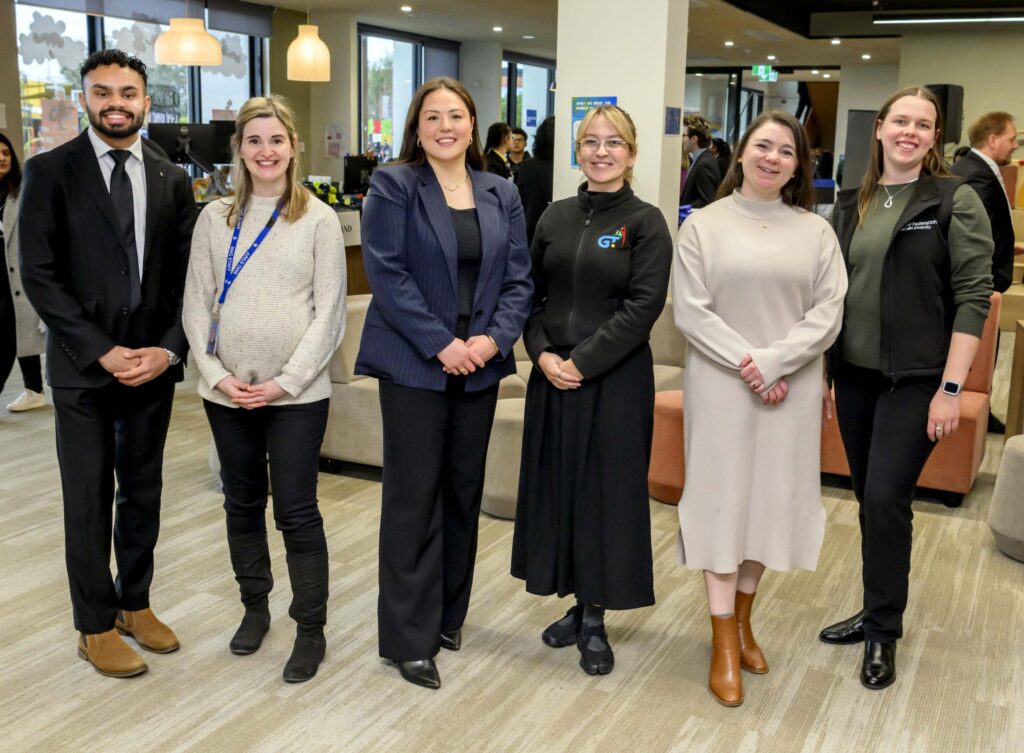
Subjects and Careers Teams
Team Colours Day
To celebrate the AFL and NRL Finals, along with the start of the AFLW and A-League seasons, Bacchus Marsh Grammar will send off Term 3 with a Team Colours Day!
Click here to view the full Schoolbox post.
Woodlea
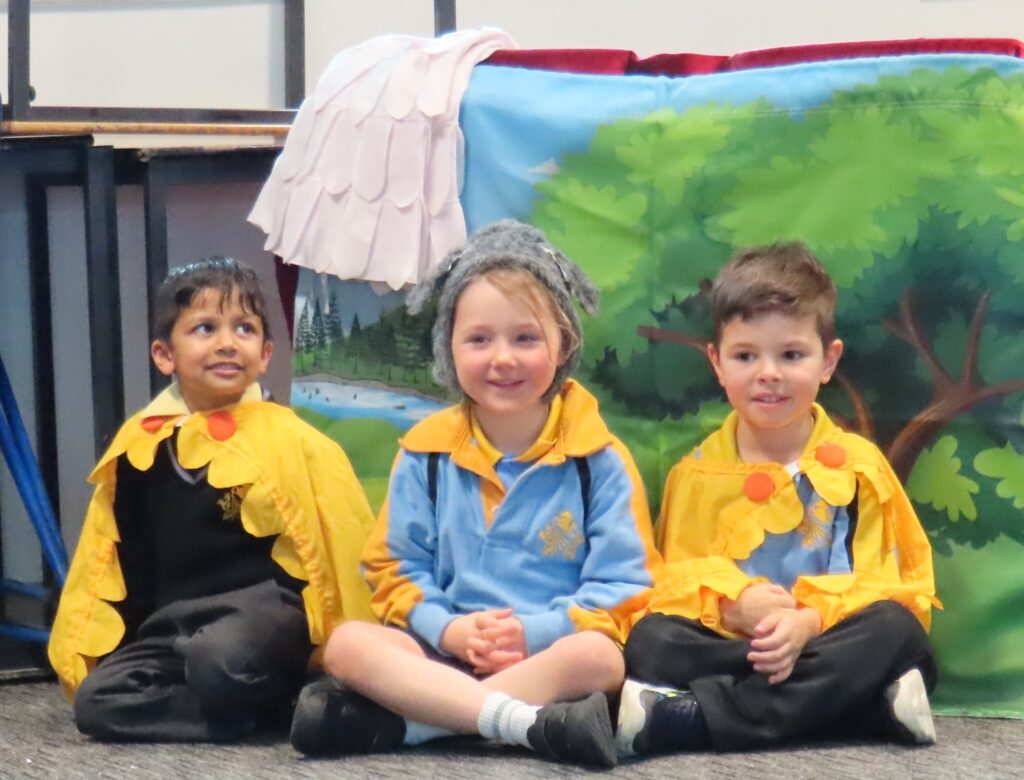
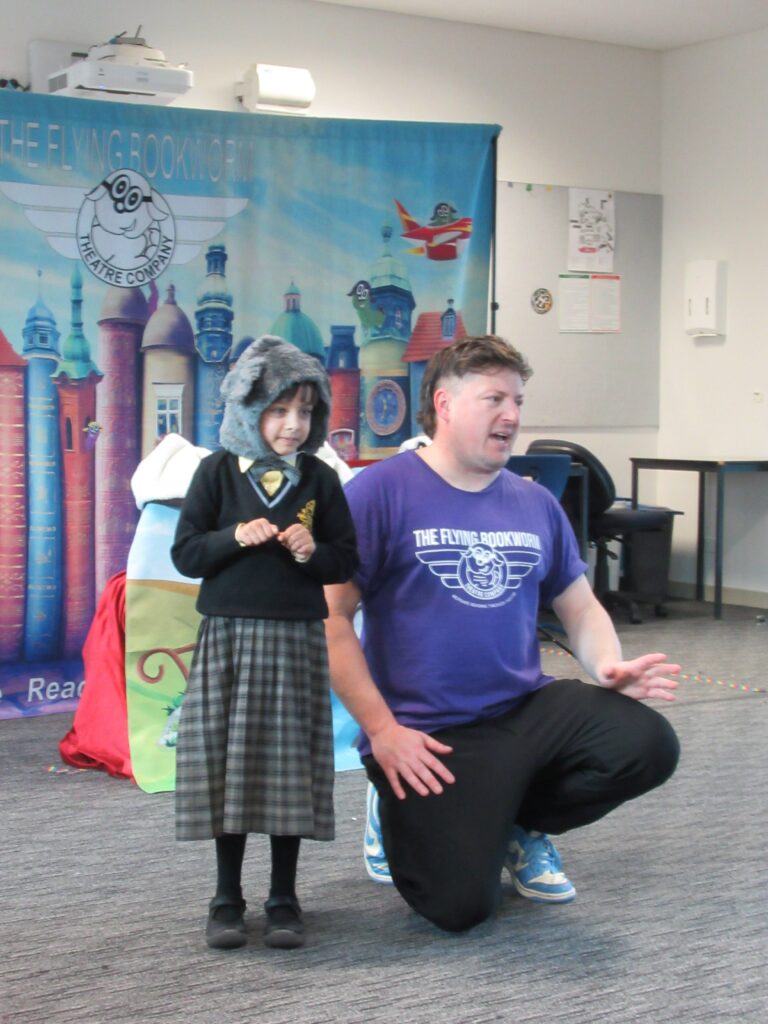
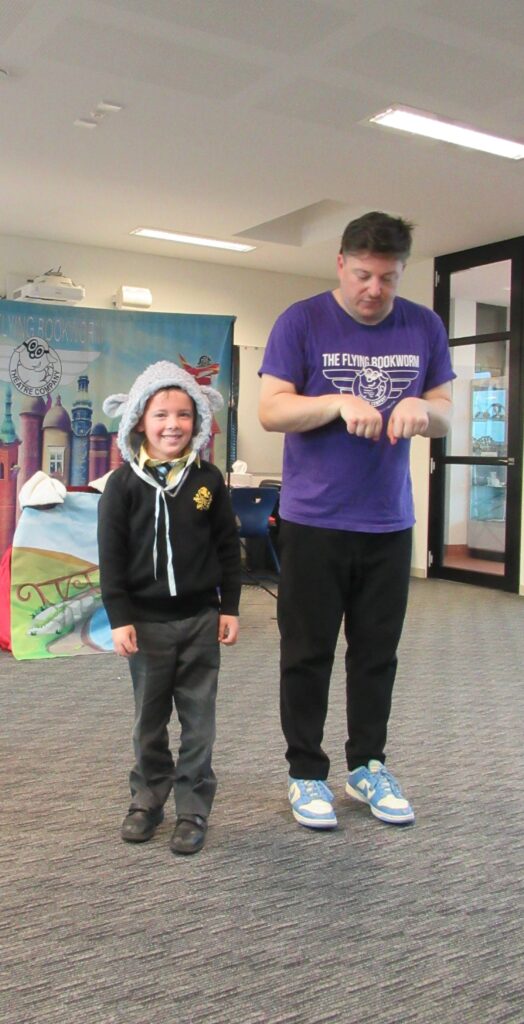
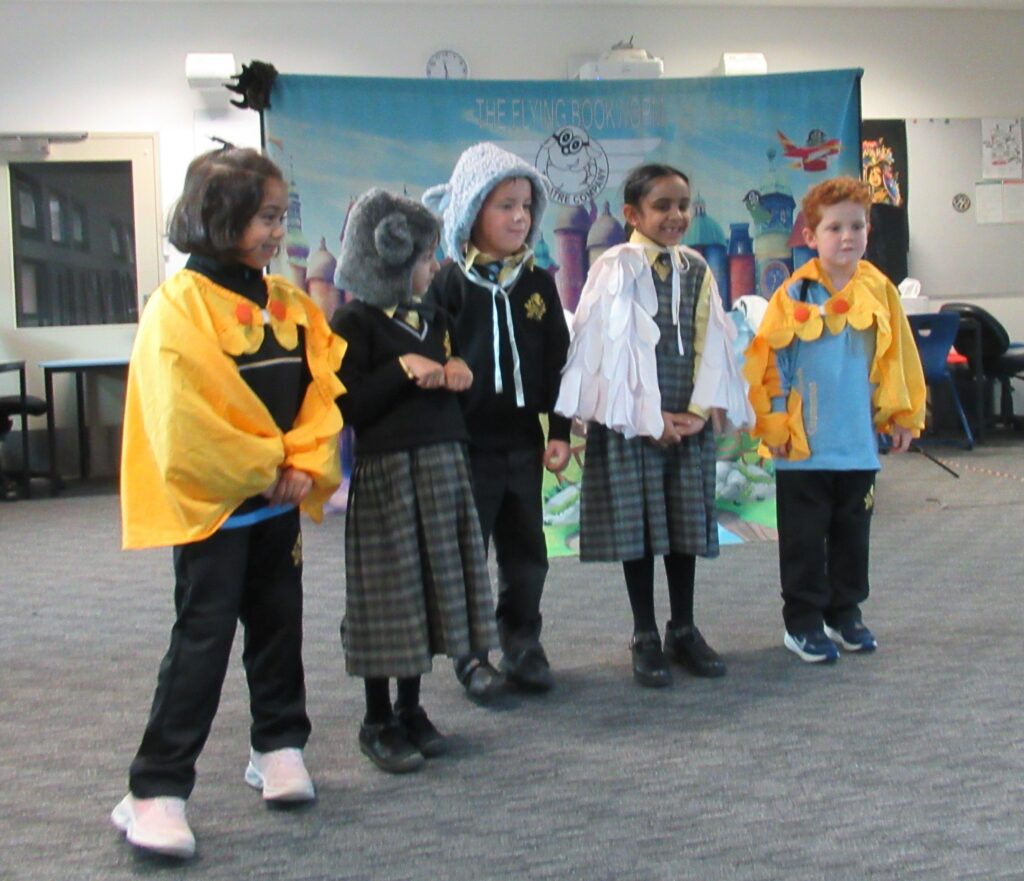
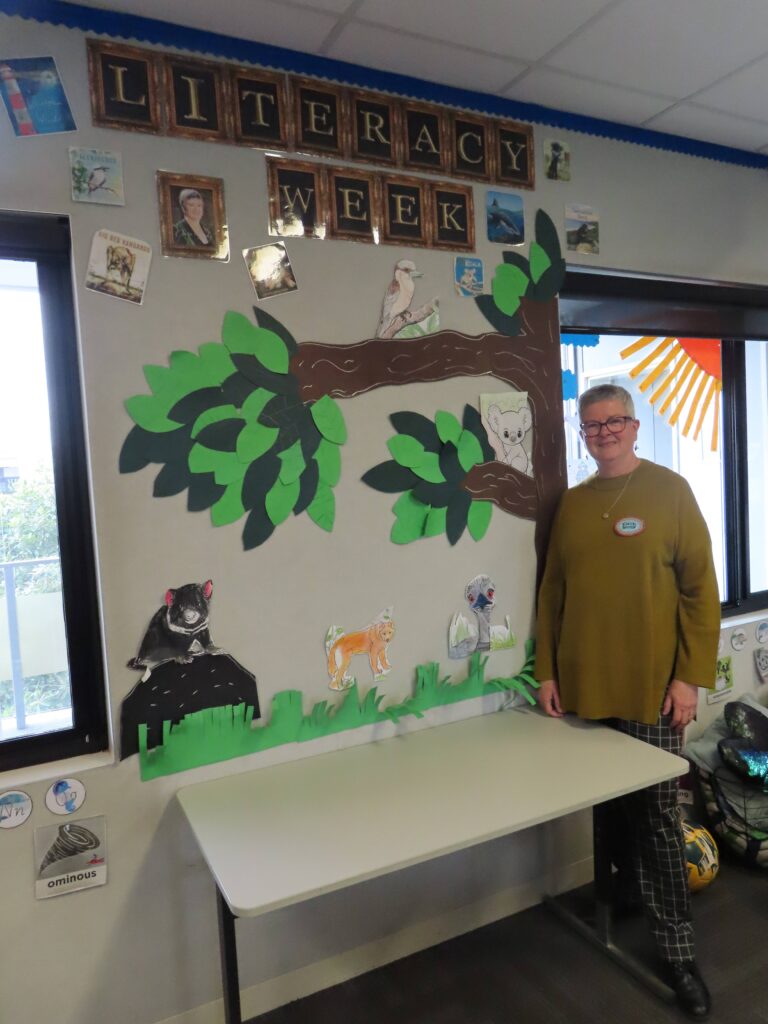
Literacy Week: Celebrating a Symphony of Stories
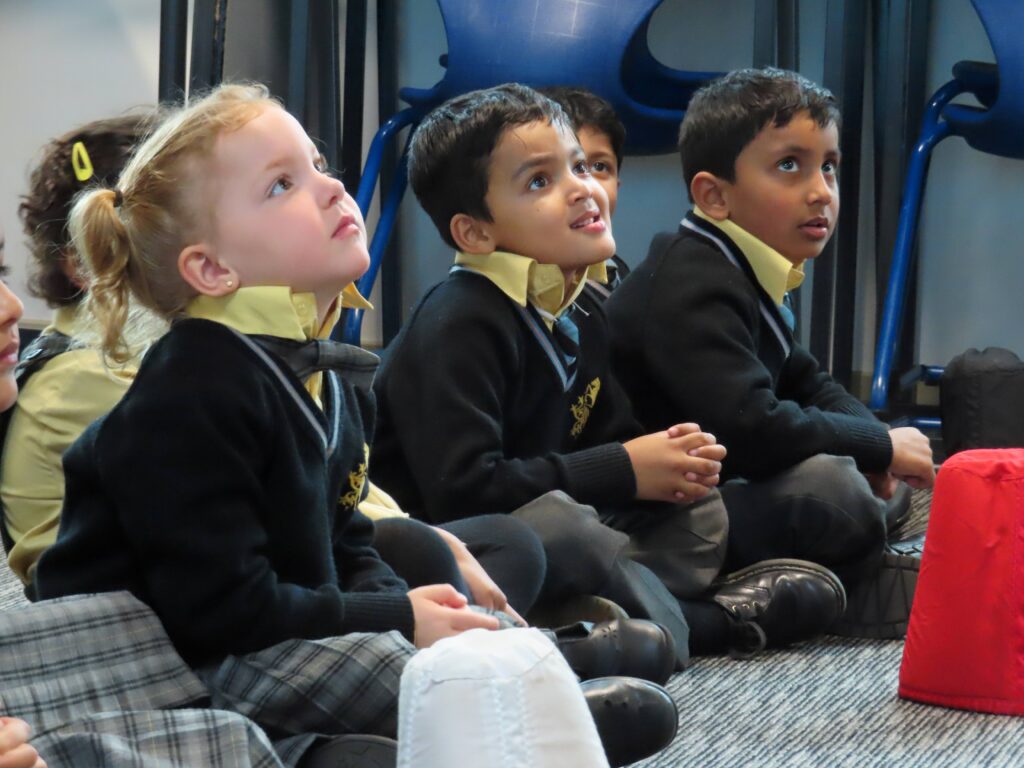
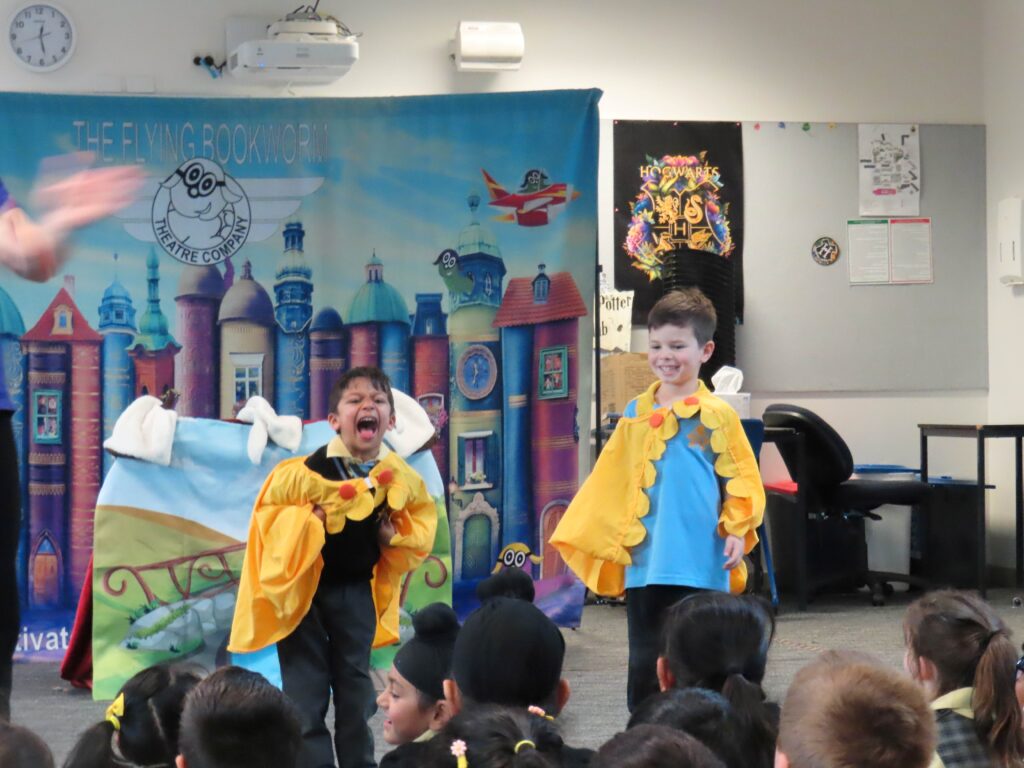
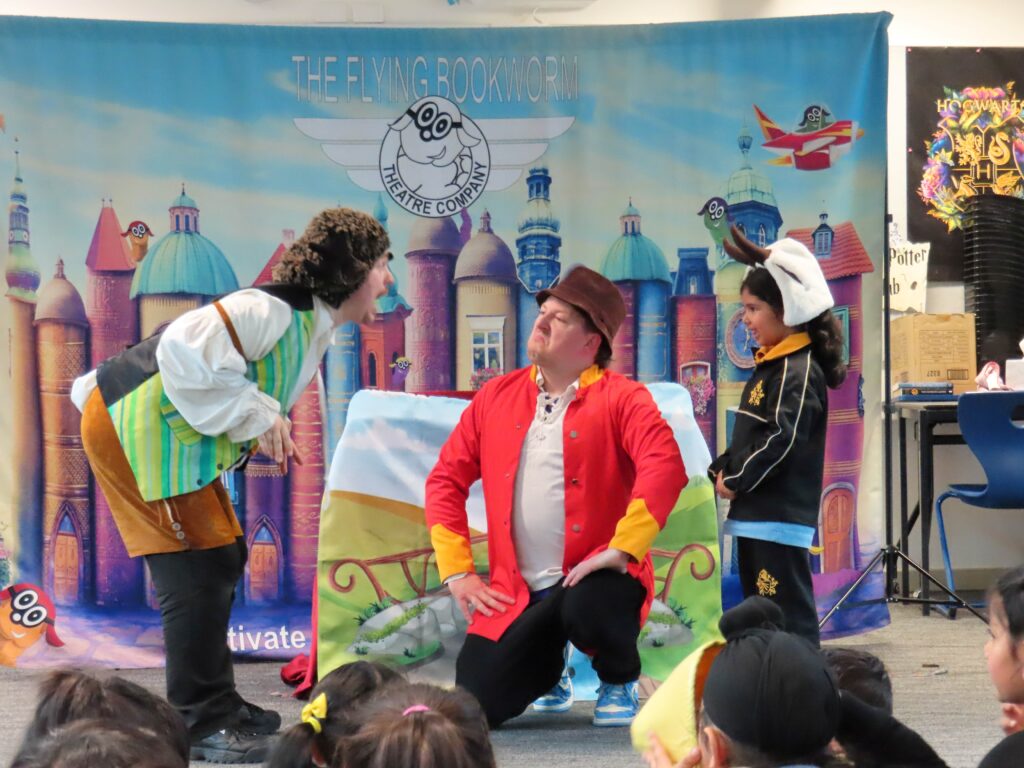
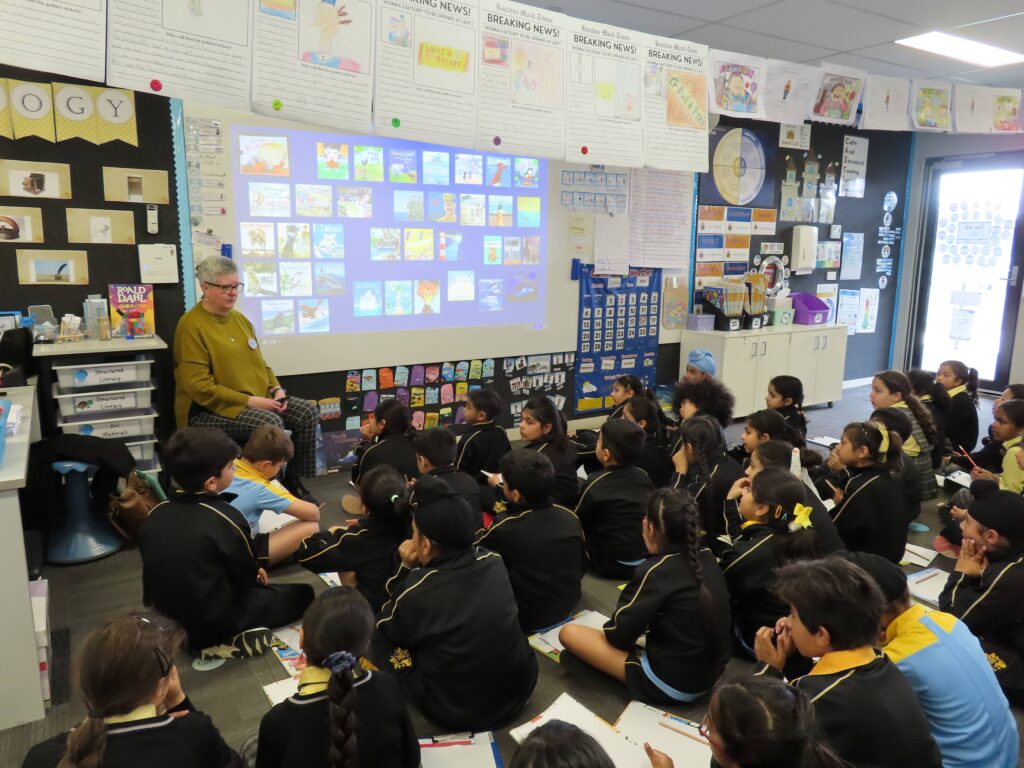
What an incredible week it was across our School as we celebrated Literacy Week and the magic, imagination and joy that books bring to our lives! From Prep through to Year 12, our school community embraced the opportunity to celebrate reading, storytelling and the power of words, creating a wonderful atmosphere of curiosity, creativity and connection across the campus.
One of the most colourful highlights was seeing our entire school community dressed as characters from books and stories. Students and staff embraced the opportunity to bring their favourite characters to life, transforming the campus into a wonderful collection of superheroes, princesses, animals, adventurers, villains and much-loved literary characters. The creativity and enthusiasm were incredible to see, and the day was a wonderful reminder of the way stories can transport us to new worlds, spark our imaginations and stay with us throughout our lives.
In the Junior School, the celebrations continued with our Literacy Week Dress Up Parade. Our Prep to Year 4 students proudly paraded in their costumes, showcasing the characters and stories that had inspired them. There was an incredible sense of excitement as students shared their costumes with one another, celebrating not only their favourite books, but the joy that reading brings.
Literacy Week was about so much more than celebrating books. It was an opportunity to recognise the vital role literacy plays throughout a child’s education, from those very first picture books and phonics lessons in the early years, through to the rich vocabulary, complex ideas and sophisticated texts students encountered as they progressed through the school. Reading builds knowledge, develops language, strengthens communication and opens doors to endless possibilities. Most importantly, it creates memories that stay with us.
One of the most wonderful highlights of the week was our Peer Reading experience which brought students from across the entire campus together. Older students were paired with younger readers, creating meaningful opportunities to share stories, model fluent reading, build confidence and encourage one another. For our younger students, having an older student read with them was exciting and inspiring, while our older students embraced the opportunity to be positive role models, demonstrating confidence, patience and a genuine love of reading. These moments captured something truly special about our school community: literacy brought us together.
Across the campus, students also had the opportunity to meet authors, hear stories, explore books and discover new possibilities through a range of literacy experiences. Each activity encouraged students to see themselves as readers, writers, storytellers and lifelong learners, while celebrating the many different ways literacy enriches our lives.
From the youngest students discovering the joy of turning a page to our senior students confidently sharing stories with others, Literacy Week reminded us that reading is not simply a skill to be mastered. It is a passport to new worlds, a source of knowledge, a place to escape, a way to connect with others and, sometimes, the beginning of a lifelong love affair with books.
A very big thank you to our wonderful staff and the wider school community for making Literacy Week such a memorable celebration. Most of all, thank you to our students for embracing every opportunity, bringing the pages of their favourite stories to life and reminding us just how magical literacy can be.
Stay tuned for photos of Literacy Week on Schoolbox next week!
Courtney Williams – Deputy Head of Junior School (Woodlea)
Melissa Dunat – Deputy Head of Middle School (Woodlea)